창립자에게 문의하기
아직도 궁금한 점이 있으신가요?
저희 창립자와 직접 연결하세요. 가격이든 기술적인 세부 사항이든 명확한 답변을 받고, 첫 주문을 위한 독점 ‘창립자 보너스’도 받아보세요.




900명 이상의 만족 고객
🏆 1,000건 이상의 맞춤 프로젝트를 성공적으로 납품했습니다.

Taking your handcrafted projects from “hobbyist” to “professional” often comes down to one detail: Precision Branding. Whether you are stamping a client’s name on a leather wallet or branding a logo onto a wooden box, the finish needs to be perfect.
Our Interchangeable Brass Letter Stamps allow you to achieve that crisp, professional look with the flexibility to change your text on the fly. Let’s dive into how you can use this versatile tool to elevate your brand identity.
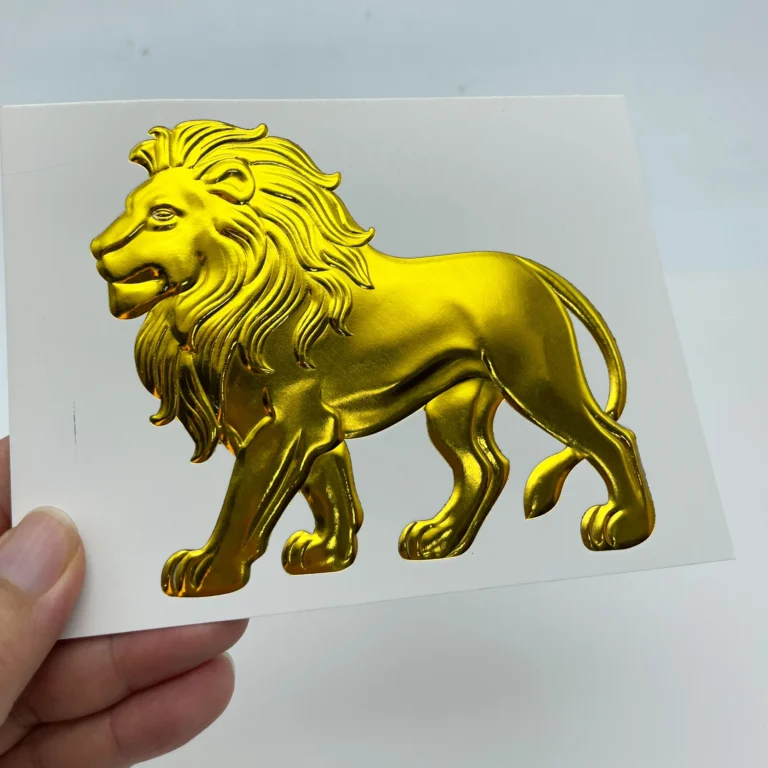
A WT-QY300 test compared four temperatures for 3D embossed foil stamping on glossy cardstock. 140°C gave the cleanest, most complete result in this specific test.
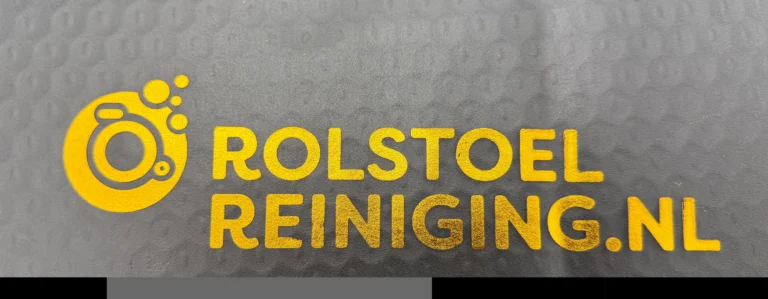
In a WT-QY300 test with a 5 × 19 cm die, 90°C gave the best balance of foil transfer and soft PVC surface condition among the three settings.
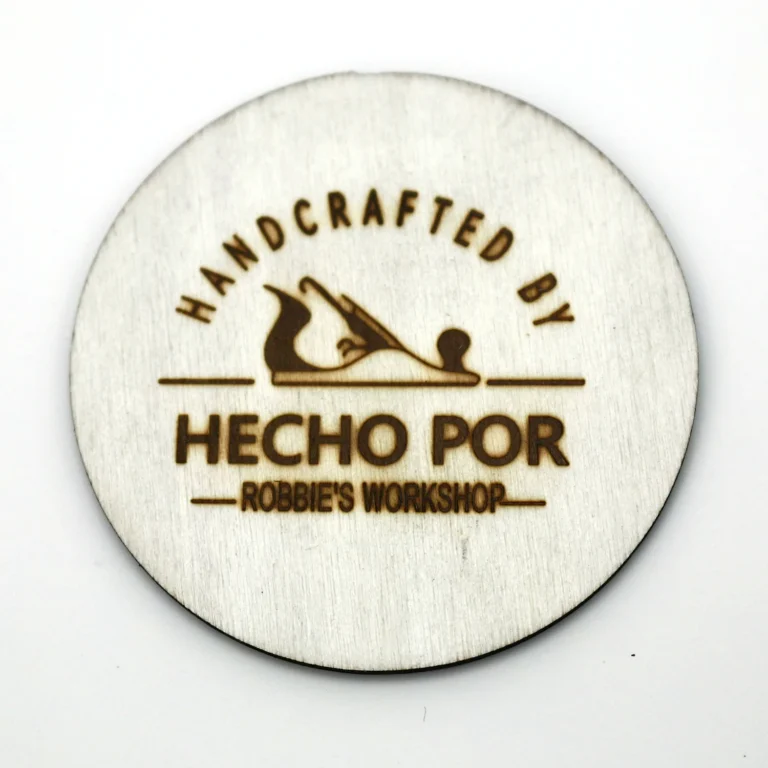
A WT-90DS test compared three temperatures for branding thin wood. 290°C gave the clearest balanced mark, while 350°C caused severe charring.
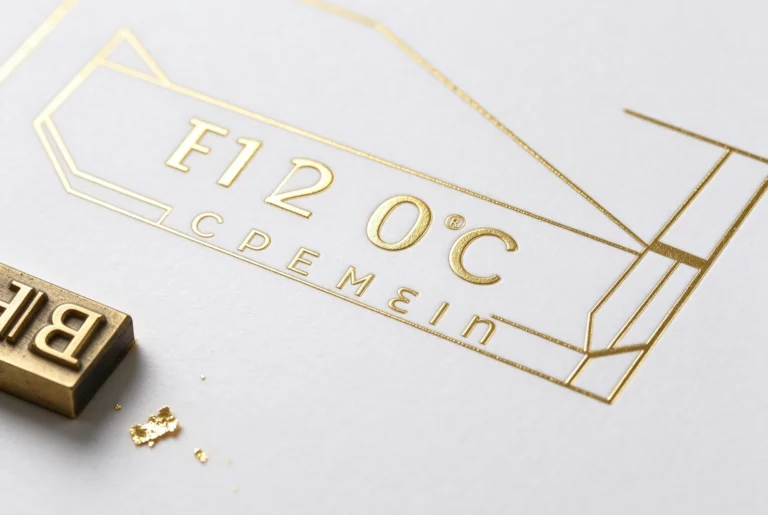
A controlled WT-90SK test compared four temperatures on glossy cardstock. The cleanest complete transfer came at 110°C under the tested conditions.
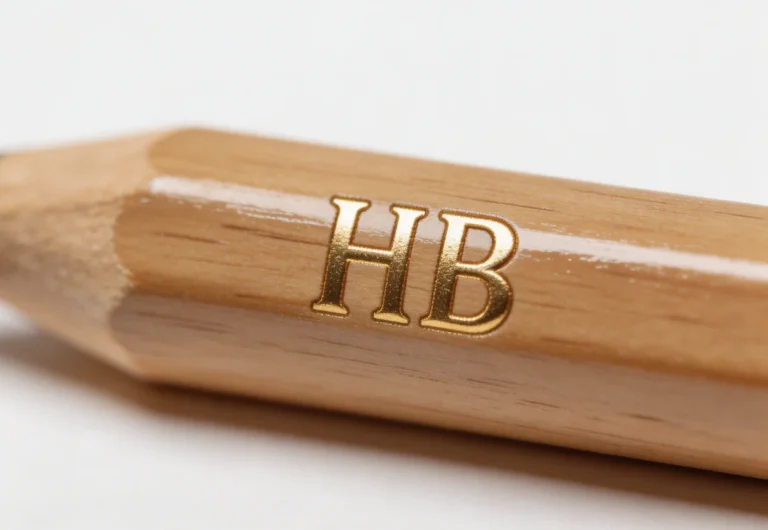
ZHENGFEI compared 80°C, 100°C, and 120°C on a pencil surface using the EC-27 and a 3 mm-high letter die. The 100°C sample gave the best balance of clear lettering, even foil, and a stable pencil coating.
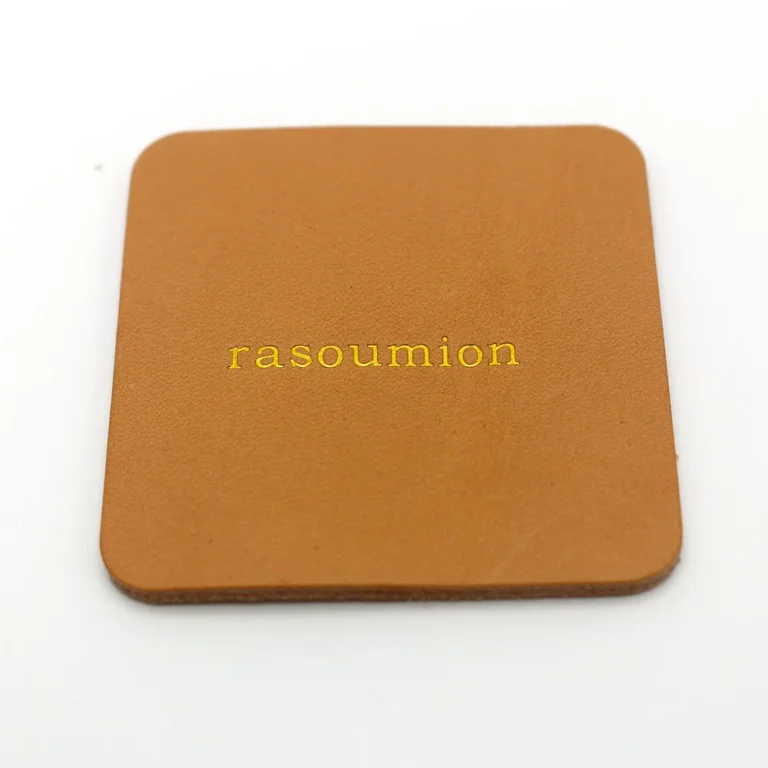
An EC-27 test on vegetable-tanned leather compared foil transfer at 90°C, 100°C, and 120°C. The 100°C sample had the clearest, most even result; 90°C left incomplete letters, while 120°C caused foil to spread beyond the letter edges.
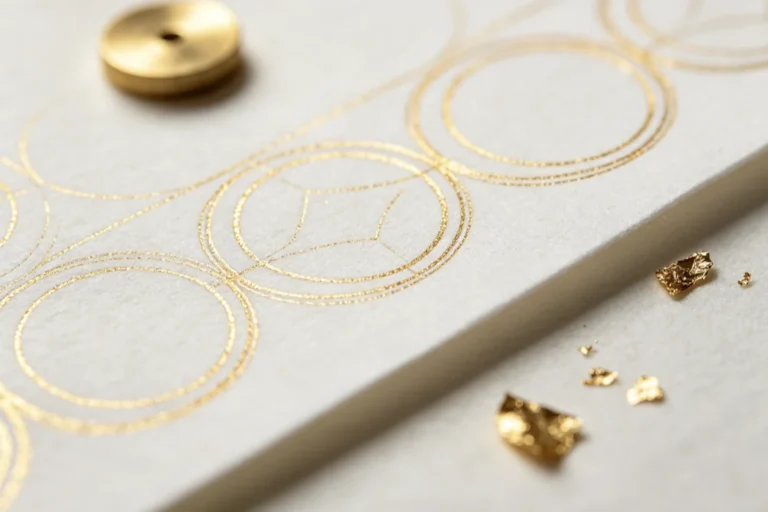
A deeper EC-27 temperature test for paper napkin foil stamping, using real image results to compare 90°C, 100°C, 110°C, and 120°C.
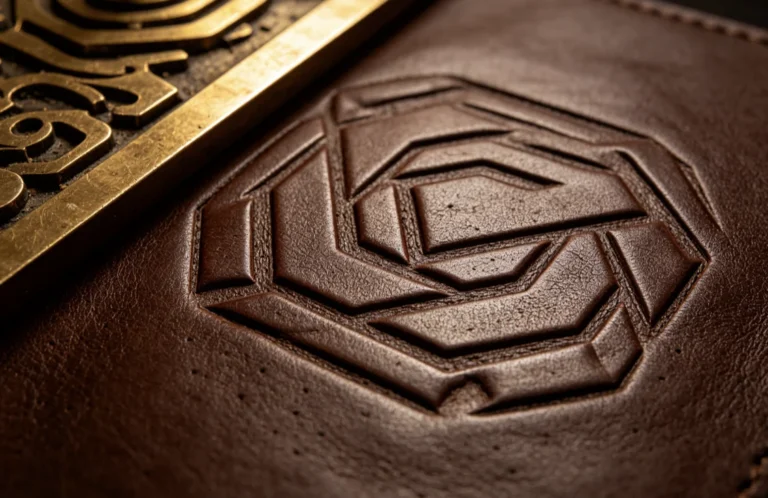
A practical temperature test for large-area leather 3D embossing on the YTJ-5T hydraulic hot stamping press, with the cleanest result at 110°C.
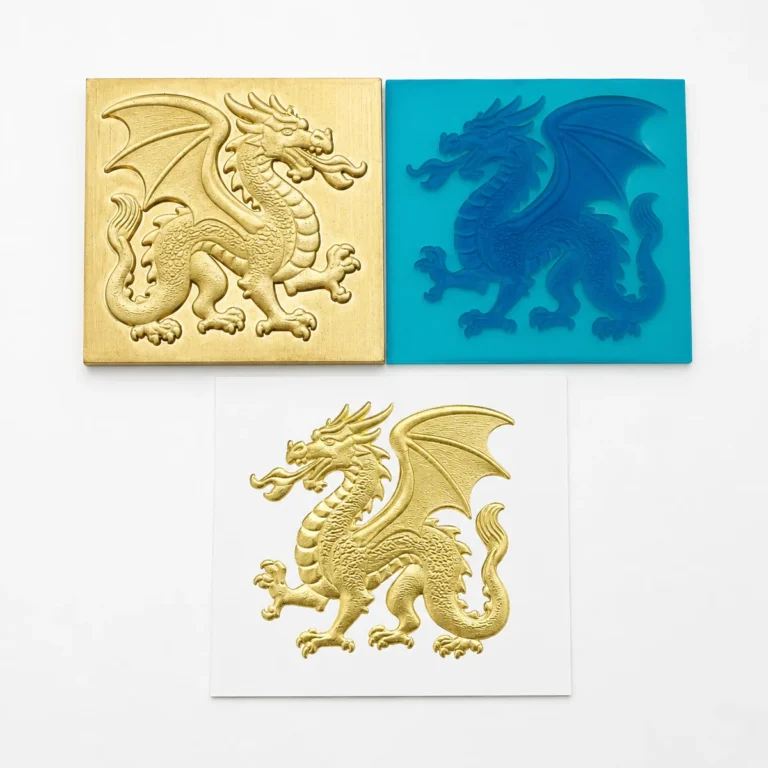
We tested 3D embossed foil stamping on paper with a 3T pneumatic hydraulic hot stamping machine and a 3D relief die at 90°C, 100°C, 110°C, and 120°C. The best result came at 110°C for 2 seconds, with full foil transfer, clear relief depth, sharp edges, strong metallic gloss, and lower risk of paper damage.
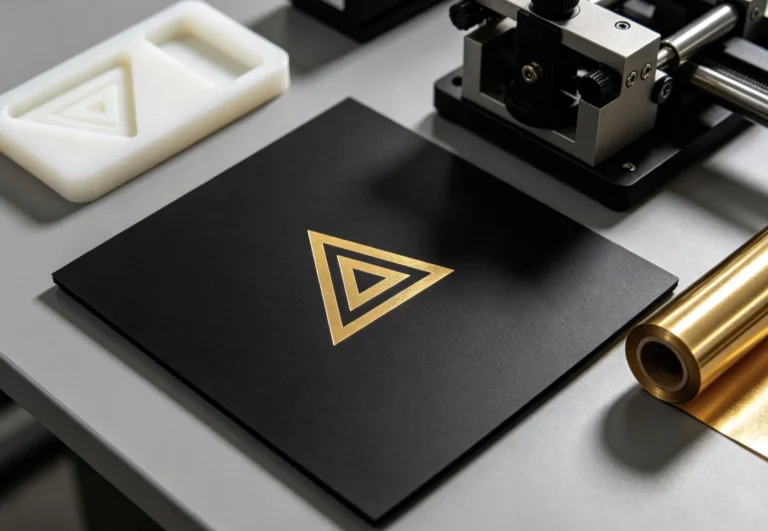
We tested hot foil stamping on ABS plastic with a TJ8020PS hot stamping machine and silicone mold at 170°C, 180°C, 190°C, and 200°C. The best result came at 190°C for 1 second, with stable foil transfer, clear edges, good metallic gloss, and lower risk of ABS surface softening or deformation.
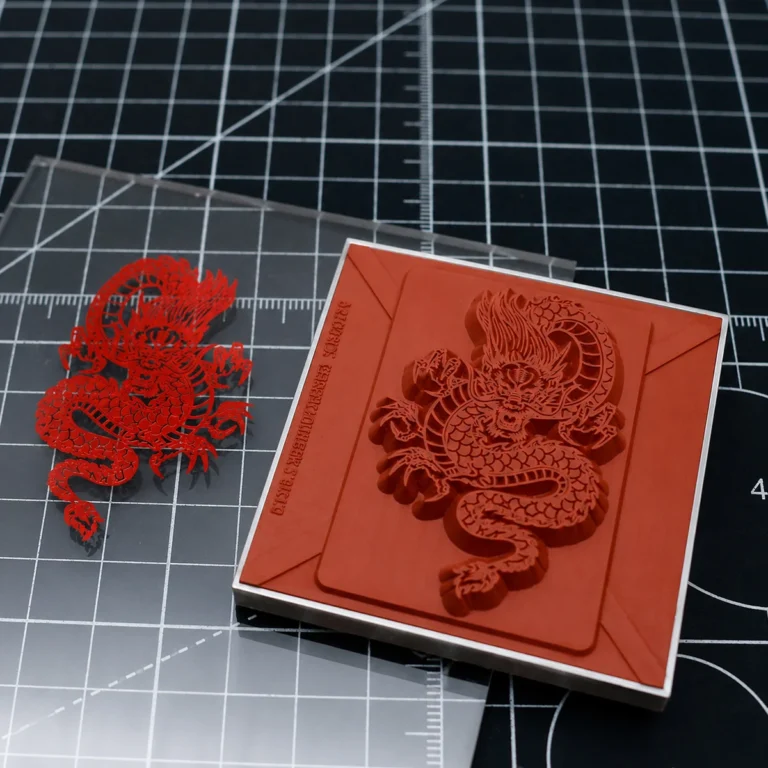
We tested hot foil stamping on PMMA acrylic sheet with a TJ8020PS machine and silicone mold at 170°C, 180°C, 190°C, and 200°C. The 190°C setting produced the best balance of complete foil transfer, sharp edges, clear details, even metallic gloss, and lower risk of acrylic softening or deformation.
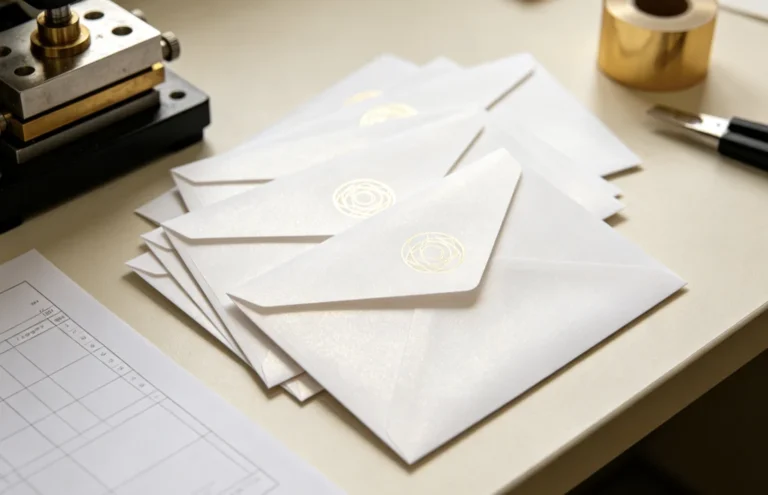
In this TJ8020PS hot stamping test, pearl paper envelopes were tested at 90°C, 100°C, 110°C, and 120°C. The best result came at 110°C, with clean foil transfer, sharp edges, stable adhesion, and minimal paper deformation.
 English English
 Japanese
 Spanish
 French
 Korean
 German
 Russian