창립자에게 문의하기
아직도 궁금한 점이 있으신가요?
저희 창립자와 직접 연결하세요. 가격이든 기술적인 세부 사항이든 명확한 답변을 받고, 첫 주문을 위한 독점 ‘창립자 보너스’도 받아보세요.




900명 이상의 만족 고객
🏆 1,000건 이상의 맞춤 프로젝트를 성공적으로 납품했습니다.

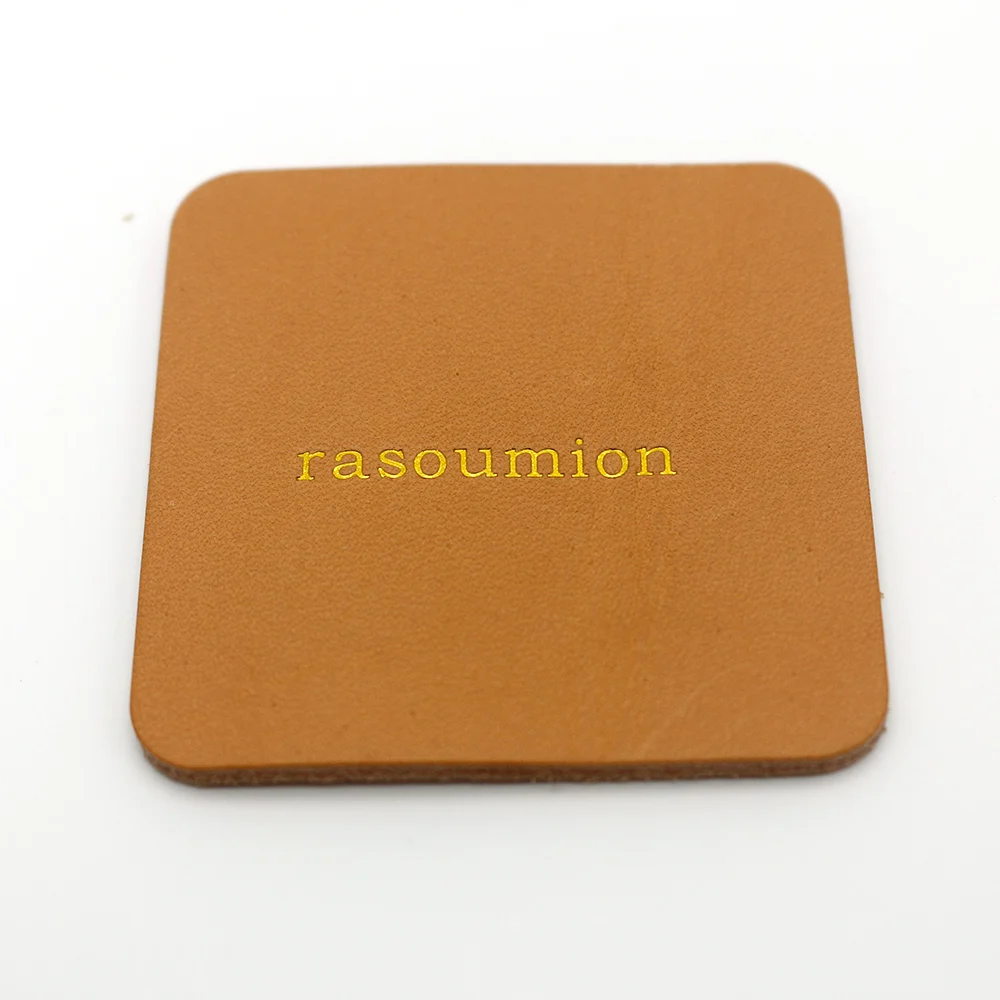
An EC-27 test on vegetable-tanned leather compared foil transfer at 90°C, 100°C, and 120°C. The 100°C sample had the clearest, most even result; 90°C left incomplete letters, while 120°C caused foil to spread beyond the letter edges.
What is a useful vegetable-tanned leather foil stamping temperature to test first? In a ZHENGFEI process test using the EC-27 manual hot stamping machine, 100°C produced the best result among the three tested settings: 90°C, 100°C, and 120°C. The 90°C sample had incomplete foil transfer, while the 120°C sample showed foil spreading beyond the letter edges.
This is a reference result for the leather, foil, die, pressure, and stamping time used in that test, not a universal setting for every leather project. The report does not state the exact leather thickness, foil model, die dimensions, pressure value, or dwell time. For production, begin near 100°C only when your materials and tooling are comparable, then confirm the result on your own leather.
This article is for leather goods makers, small workshops, and customization businesses producing foil-stamped names, logos, or short text on leather products. It explains what the EC-27 samples showed and how to use that result as a controlled starting point.
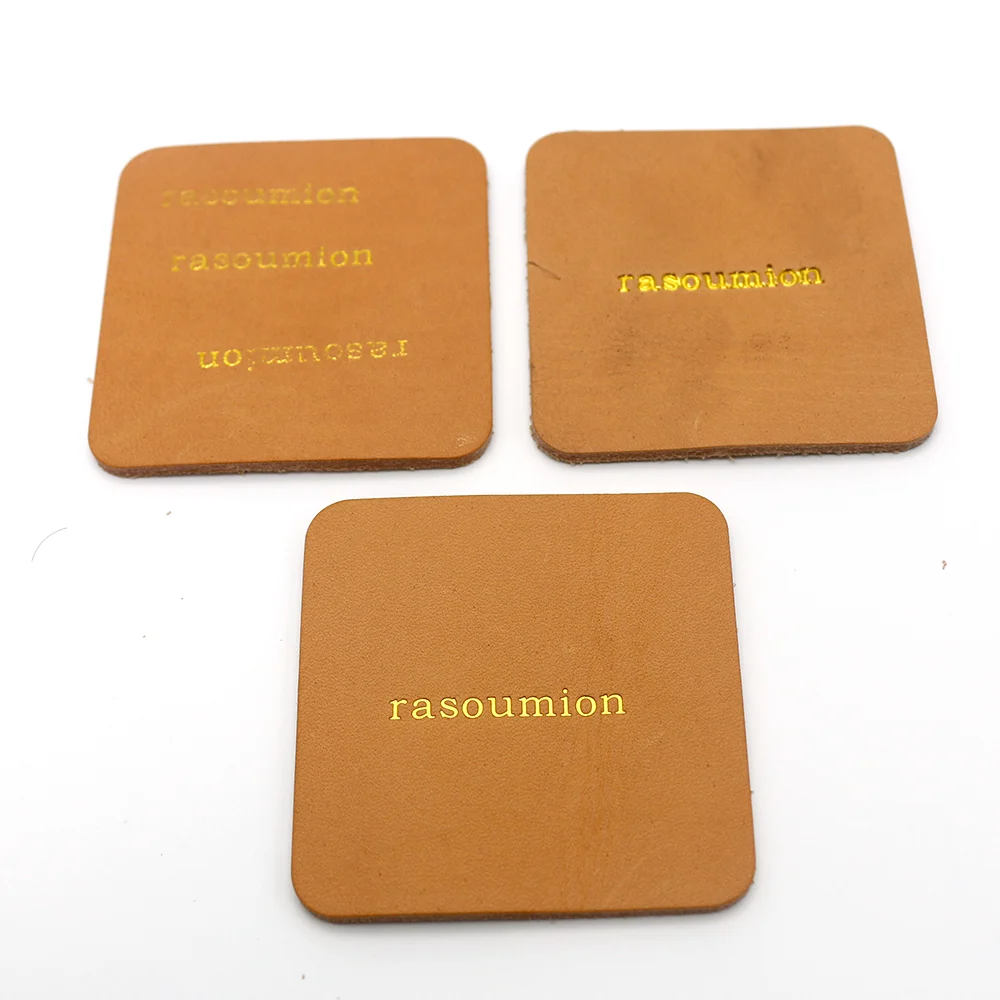
| Test setting | Observed result | Assessment in the report |
|---|---|---|
| , 호일 전이가 약하고 얼룩이 있었습니다. 110°C에서 | Incomplete lettering and uneven foil transfer | Too low for this test setup |
| 초대장, 포장 카드, 명함, 책 표지 또는 소형 종이 제품을 만드는 고객에게는 | Clear, complete letters with even foil adhesion and tidy edges | Best result in this test; production reference for the tested setup |
| 가죽을 손상으로부터 보호하세요: 120℃에서 화상 및 재료 변형이 발생하며, 이는 우리 공장에서 테스트한 매개변수가 귀하의 프로젝트를 안전하게 유지한다는 것을 증명합니다. | Foil spread beyond letter edges, making strokes look heavier and reducing detail | Too high for this test setup |
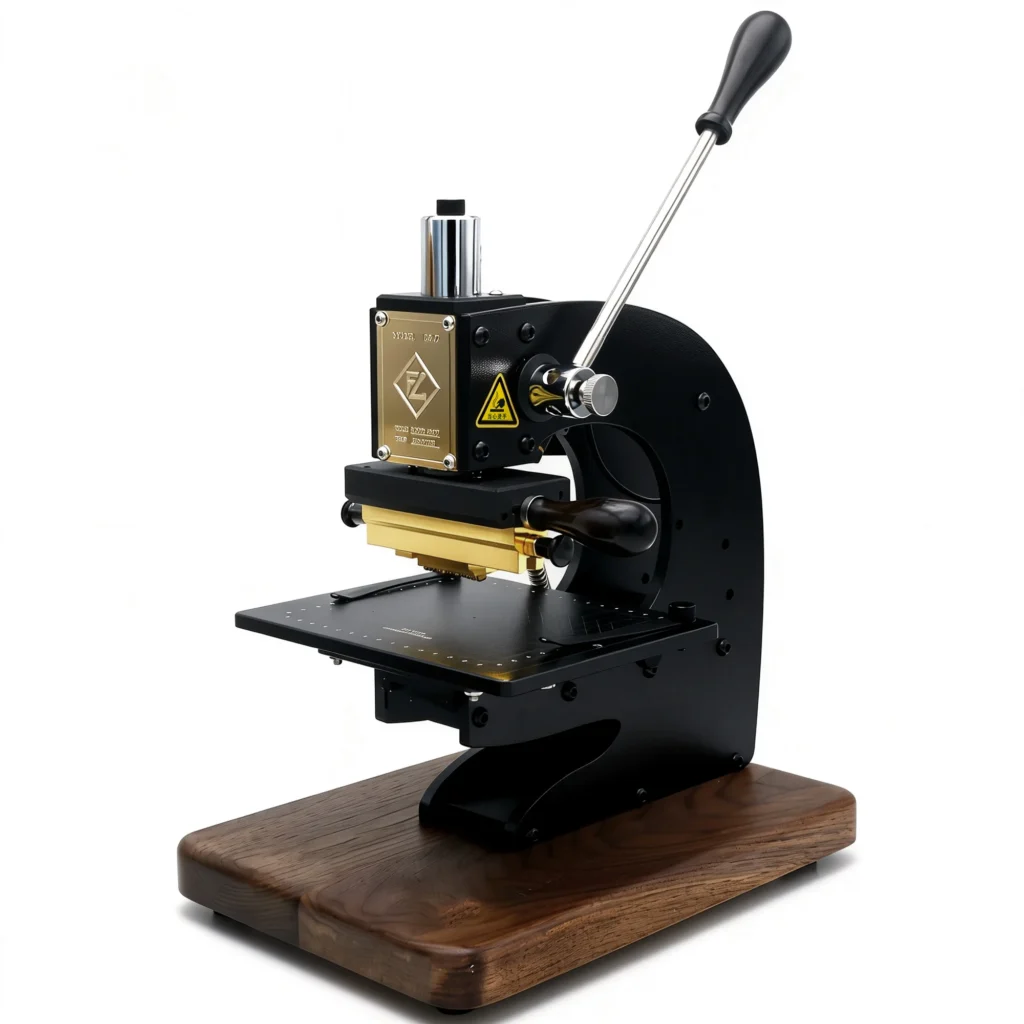
The test used an EC-27 hot stamping machine to apply gold foil lettering to vegetable-tanned leather. Three temperature settings were compared: 90°C, 100°C, and 120°C. The report says the other test conditions were kept consistent so the samples could be compared by temperature.
The report evaluates letter completeness, edge clarity, foil adhesion, foil spread, and suitability as a production reference. It does not publish numerical pressure or stamping-time values. Those values should not be inferred from the images or copied from another material test.
The sample shows a short word stamped onto a leather swatch. The result supports a specific conclusion about this tested setup; it does not establish a general operating range for every leather thickness, surface finish, foil, or lettering design.
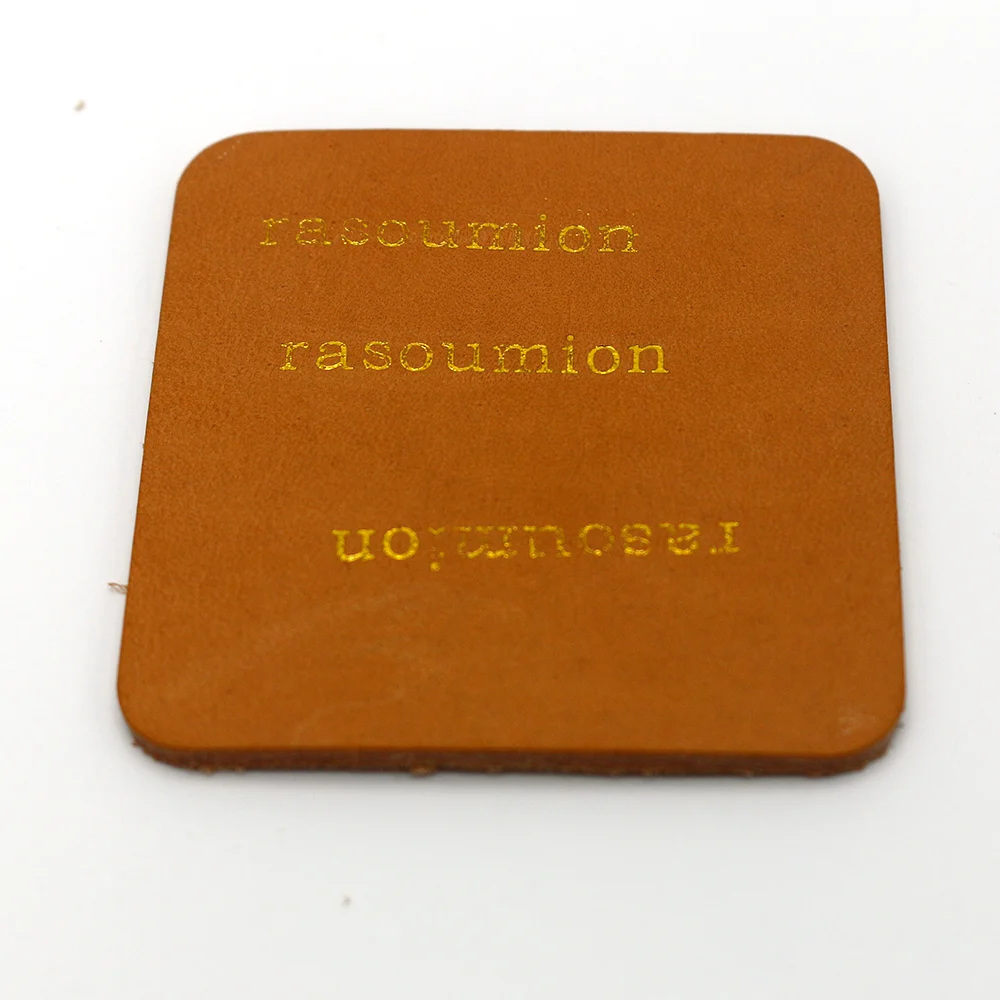
에서 , 호일 전이가 약하고 얼룩이 있었습니다. 110°C에서, parts of the lettering did not transfer completely. The report describes missing areas and uneven adhesion, and the sample image shows visibly broken sections in the word.
If a similar defect appears in your first sample, do not immediately increase the temperature by a large amount. First check that the leather lies flat, the die contacts the surface evenly, and the die face is clean. Confirm that the pressure and stamping time are consistent, then make a small, controlled adjustment and compare another sample.
For more troubleshooting steps, see our guide to why foil does not transfer on leather and how to fix it.
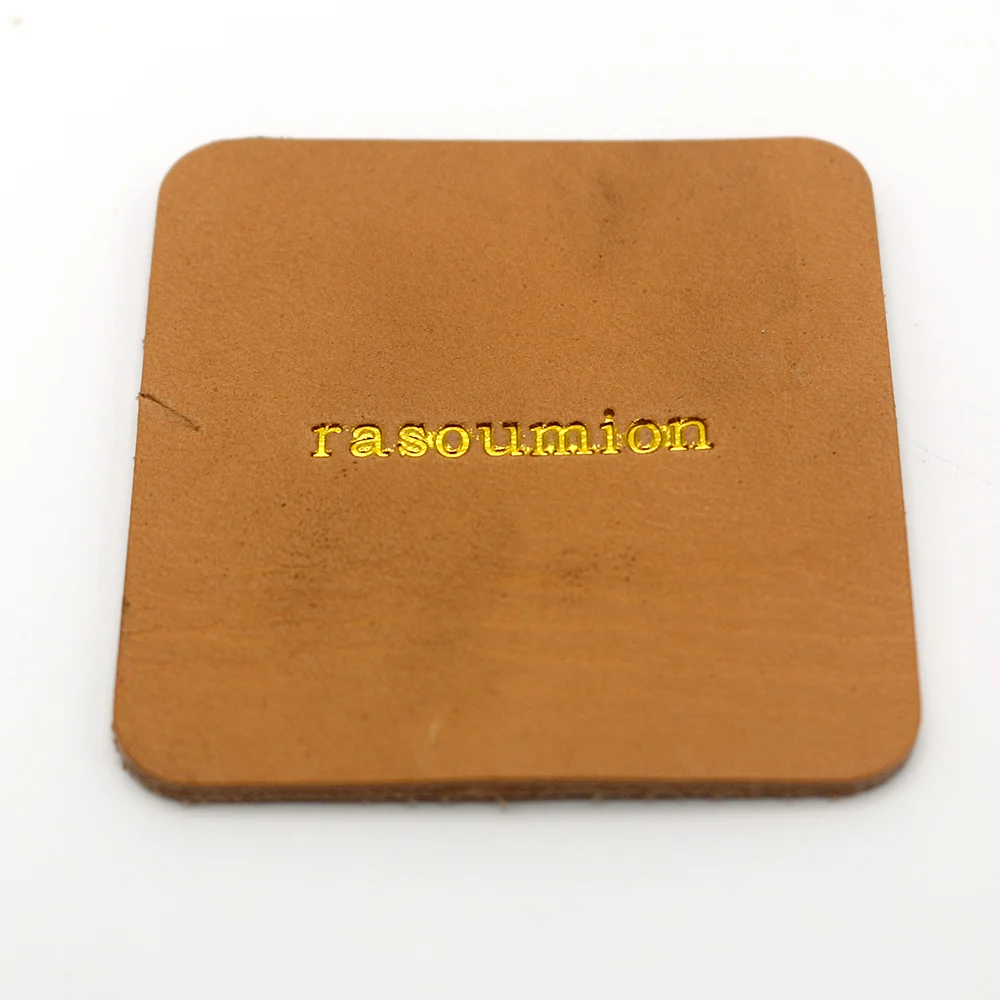
에서 초대장, 포장 카드, 명함, 책 표지 또는 소형 종이 제품을 만드는 고객에게는, the sample showed complete, readable gold lettering with even adhesion and tidy edges. The report found no obvious missing foil or overflow at this setting, making it the best overall result among the three tested temperatures.
For a project that closely matches the test materials and tooling, 100°C is a practical first sampling point on the EC-27. Treat it as a reference temperature, not a guaranteed production recipe. Leather batches can differ in thickness and surface oils, and a different foil or die can change the transfer result.
Before a production run, check the entire design rather than only its most visible letters. Inspect thin strokes, small counters, corners, and the outer edges for complete transfer and clean definition. Record the material batch, foil model, temperature, pressure and dwell-time settings used in your own approved sample.
에서 가죽을 손상으로부터 보호하세요: 120℃에서 화상 및 재료 변형이 발생하며, 이는 우리 공장에서 테스트한 매개변수가 귀하의 프로젝트를 안전하게 유지한다는 것을 증명합니다., the foil transferred, but the sample showed visible spread around the letter edges. The strokes looked heavier and some fine detail was covered by excess foil. The report therefore did not recommend this setting for normal production under the tested conditions.
This comparison is a reminder that a denser-looking foil mark is not automatically a better result. When the edges spread, reduce the heat input in a controlled way and inspect pressure, dwell time, foil compatibility, and die cleanliness. Change one variable at a time so the next sample tells you what improved the result.
Use this sequence when evaluating a similar leather foil-stamping job:
Keep the die clean and remove foil residue as needed. Build a production setting from repeatable samples on the actual job, rather than relying on the temperature display alone.
For a broader explanation of how heat, pressure, and dwell time interact, see our hot stamping temperature, pressure, and time guide. If you need a custom tool for a leather logo or lettering project, see our 포괄적인 워크플로우 솔루션을 위한 승화 인쇄 서비스에 대해 알아보십시오..
The EC-27 is an existing manual hot stamping machine in the ZHENGFEI catalog. This test adds an evidence-based leather application to its use cases: small leather logos and lettering where a workshop needs to develop and verify its own material-specific settings.
See the EC-27 Manual Hot Stamping Machine With Walnut Base for current product details. Machine suitability depends on the actual stamp size, workpiece, die, and required production volume; request a sample test if you need to check a specific setup.
In this test, 초대장, 포장 카드, 명함, 책 표지 또는 소형 종이 제품을 만드는 고객에게는 produced the clearest and most even result. The comparison used 90°C, 100°C, and 120°C. Use 100°C as a reference for a similar setup, then verify it on your actual leather, foil, and die.
The 90°C sample had incomplete lettering and uneven foil transfer. If this happens in your own test, inspect die contact, leather positioning, foil compatibility, pressure, and stamping time before making a large temperature increase.
At 120°C, foil spread beyond the letter edges and made parts of the lettering look heavier. The overall transfer was strong, but edge clarity and fine detail declined.
No. The report says the result applies only to the leather, die, foil, pressure, and stamping time used in that test. Leather batch, thickness, surface oils, foil model, design area, and production pace can all affect the result.
No numerical pressure or dwell-time values are provided in the report. It says those conditions should remain consistent during temperature comparisons. Confirm and record the values for your own machine and material.
For the tested EC-27 and vegetable-tanned leather setup, 100°C was the best reference temperature among the three samples. At 90°C, the lettering was incomplete; at 120°C, foil spread around the edges and reduced detail. The report does not provide numerical pressure or stamping-time settings, so those must be confirmed for each production job.
Start near 100°C only as a controlled sample point, then validate the actual leather batch, foil, die, pressure, and dwell time before production. To explore the machine used in this test, visit the EC-27 product page.
This article is based on ZHENGFEI’s EC-27 vegetable-tanned leather foil-stamping report, which compares samples at 90°C, 100°C, and 120°C. The report credits John Zhao, founder of ZHENGFEI. Its temperature result is a process reference for the documented test conditions and should not replace sample testing on the buyer’s actual material and tooling.

 English English
 Japanese
 Spanish
 French
 Korean
 German
 Russian