창립자에게 문의하기
아직도 궁금한 점이 있으신가요?
저희 창립자와 직접 연결하세요. 가격이든 기술적인 세부 사항이든 명확한 답변을 받고, 첫 주문을 위한 독점 ‘창립자 보너스’도 받아보세요.




900명 이상의 만족 고객
🏆 1,000건 이상의 맞춤 프로젝트를 성공적으로 납품했습니다.

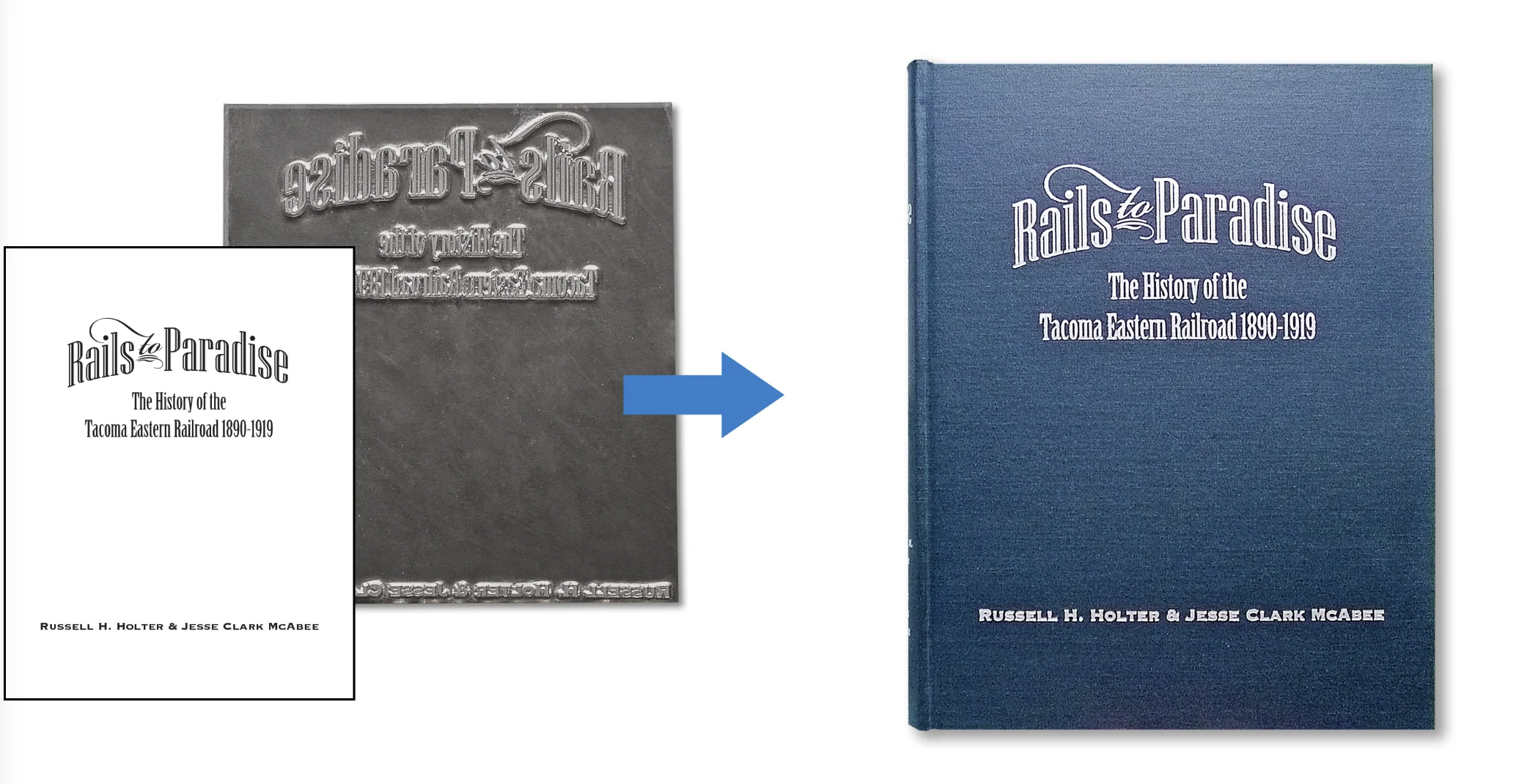
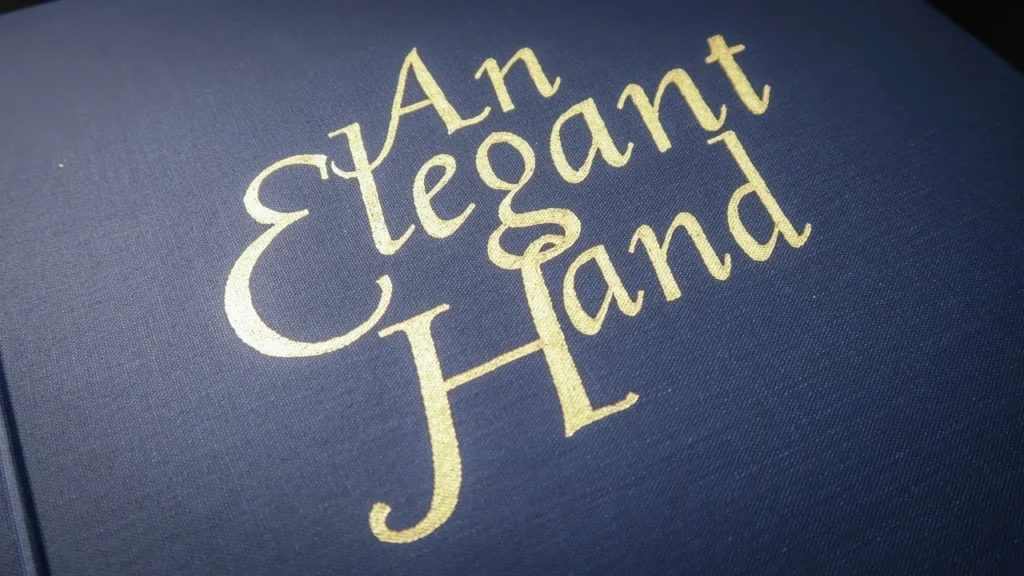
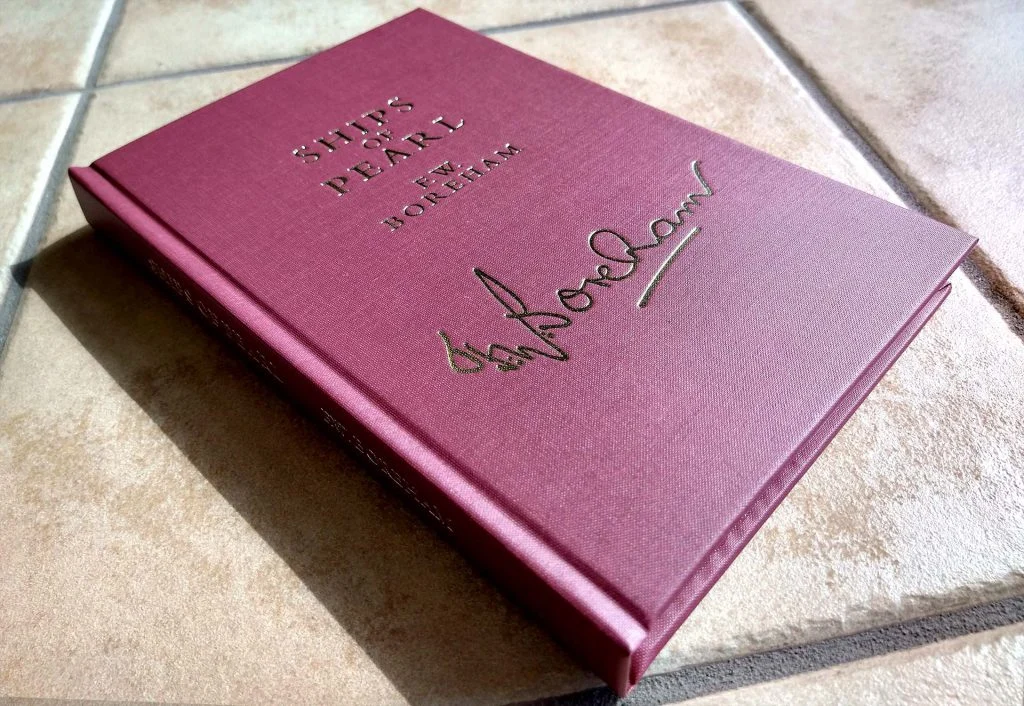
Book cover foil stamping is one of the most effective ways to create a premium finish on notebooks, journals, albums, packaging books, certificates, and luxury printed products.
A clean gold or silver logo on the cover can immediately make the product look more professional.
But book covers are not all the same. Some are made with paperboard, some with coated paper, some with cloth, and some with PU leather or faux leather. Because each surface reacts differently to heat and pressure, the best foil stamping result depends on the right combination of 온도, 압력을 조정하세요, 대기 시간, foil, 및 다이 품질.
For many paper-based book cover projects, a practical starting point is around 100-110°C 균일하고 안정적인 압력으로 수동 기계: 매끄럽고, 제어된 하향 압력 공압 기계: 1.5-2.5 seconds dwell time. In Zhengfei’s recent paper foil stamping and 3D embossed foil stamping tests, 110°C with 2 seconds produced a balanced result with clear foil transfer, sharp edges, and good surface protection.
For paper-based book cover foil stamping, start with:
If the book cover uses PU leather or faux leather, the temperature should usually be tested more carefully because synthetic surfaces can soften under heat.
For a more detailed paper temperature comparison, see our guide on the best temperature for foil stamping on paper.
Book covers often have layered structures. A cover may include surface paper, glue, greyboard, coating, cloth, PU leather, or laminated material. That means the visible surface and the inner support layer can react differently during hot stamping.
Common book cover foil stamping challenges include:
This is why testing before batch production is very important.
A custom brass die is one of the best options for book cover foil stamping because brass transfers heat evenly and holds fine detail well. It is suitable for logos, titles, initials, decorative borders, and brand marks.
A good brass die helps with:
For simple flat foil stamping, a standard brass die is usually enough. For raised or dimensional effects, a 3D embossing die set is a better choice.
Before making a custom brass die for book covers, it helps to check what file format you need for a custom brass die.
Flat foil stamping transfers metallic foil onto the surface of the book cover. It creates a clean, bright logo or title but does not create much dimensional depth.
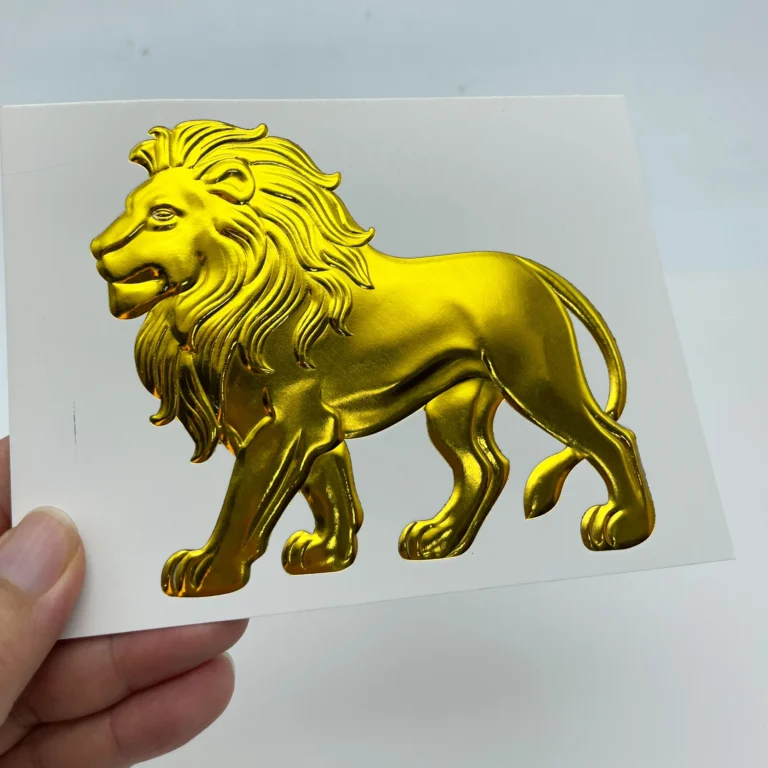
3D embossed foil stamping combines foil transfer with raised or recessed texture. It creates both shine and touchable depth, making it suitable for premium books, gift packaging, certificates, luxury invitations, and brand presentation materials.
Flat foil stamping is suitable for:
3D embossed foil stamping is suitable for:
For many paper-based covers, start around 초대장, 포장 카드, 명함, 책 표지 또는 소형 종이 제품을 만드는 고객에게는 and move toward , PU 표면이 너무 부드러워지고 가장자리가 흐릿해졌습니다. if the foil does not transfer completely.
A practical test range is:
| 온도 | Result | Suggestion |
|---|---|---|
| , 호일 전이가 약하고 얼룩이 있었습니다. 110°C에서 | Weak transfer, missing foil, poor shine | Usually too low |
| 초대장, 포장 카드, 명함, 책 표지 또는 소형 종이 제품을 만드는 고객에게는 | Foil begins to transfer steadily | Good starting test |
| , PU 표면이 너무 부드러워지고 가장자리가 흐릿해졌습니다. | Strong transfer, sharp edges, balanced result | Recommended reference |
| 가죽을 손상으로부터 보호하세요: 120℃에서 화상 및 재료 변형이 발생하며, 이는 우리 공장에서 테스트한 매개변수가 귀하의 프로젝트를 안전하게 유지한다는 것을 증명합니다. | Fuller foil but higher risk of marks or spreading | Test carefully |
In Zhengfei’s 3D embossed paper foil stamping test with the YTJ5T machine and a 3D embossing die, 110°C with 2 seconds gave the best overall balance. The foil transferred evenly, the relief effect was clear, and the paper surface stayed stable.
Pressure is just as important as temperature. If pressure is too low, the foil may not transfer fully. If pressure is too high, the cover may show deep marks or the logo edges may spread.
For thick book covers, pressure needs to be strong enough to make full contact across the design. For thin paper covers or coated covers, pressure should be controlled more carefully to avoid surface damage.
A good pressure setup should create:
Dwell time means how long the heated die stays in contact with the foil and cover material.
For many paper-based covers, a useful starting range is:
Longer time is not always better. If the die stays too long, heat can spread into the cover material and create blurry edges, deeper marks, or surface deformation.
가능한 원인:
수정:
If the foil looks weak, patchy, or incomplete, review why foil does not transfer and how to fix it before changing all settings at once.
가능한 원인:
수정:
For small text, initials, or fine logo details, the same edge-control principles apply. Read how to stamp small letters without blurry edges for more practical detail tips.
가능한 원인:
수정:
가능한 원인:
수정:
Book cover foil stamping can be used on:
For PU leather or faux leather book covers, temperature should usually be lower and more carefully tested.
If your book cover uses PU leather or faux leather, start with our guide to the best temperature for foil stamping on PU leather.
Before mass production, test the exact cover material, foil type, die, and machine setup.
A practical workflow is:
Do not rely only on one standard setting. Paper thickness, coating, board structure, foil type, and design size can all change the final result.
For many paper-based book cover foil stamping projects, 100-110°C 균일하고 안정적인 압력으로 수동 기계: 매끄럽고, 제어된 하향 압력 공압 기계: 1.5-2.5 seconds dwell time is a practical starting range. Based on Zhengfei’s recent paper and 3D embossed foil stamping tests, 110°C with 2 seconds is a strong reference setting for clean transfer, clear edges, and stable surface quality.
For simple logos and titles, a custom brass die can produce clean and professional results. For premium covers that need both metallic shine and touchable depth, a 3D embossing die is a better option.
Need help with book cover foil stamping?
ZHENGFEI provides manual hot stamping machines, custom brass dies, 3D embossing dies, and factory-direct support for book covers, packaging, invitations, certificates, and custom printed products. Send your artwork, cover material, foil color, and stamping size, and we can help recommend a suitable die and machine setup.
For many paper-based book covers, start around 100-110°C. In Zhengfei’s recent 3D embossed paper test, 110°C with 2 seconds gave a balanced result.
Yes. A custom brass die is suitable for logos, titles, initials, and decorative patterns on book covers.
Foil stamping transfers metallic foil onto the surface. 3D embossing adds raised or recessed texture, creating a more dimensional effect.
The common reasons are low temperature, weak pressure, short dwell time, unsuitable foil, uneven die contact, or a cover surface that resists foil transfer.
Yes, but the temperature should be tested carefully because PU leather can soften under heat. A lower starting temperature is usually safer.
Send your logo file, final stamping size, cover material, foil color, and product photo if possible. Vector files such as AI or PDF are usually best for production.

 English English
 Japanese
 Spanish
 French
 Korean
 German
 Russian