Nous utilisons des cookies pour nous assurer que nous vous offrons la meilleure expérience possible sur notre site.
Contacter le fondateur
Vous avez encore des doutes ?
Échangez directement avec notre fondateur. Qu’il s’agisse de tarifs ou de détails techniques, obtenez une réponse claire et un « Bonus du fondateur » exclusif pour votre première commande.
Plus de 900 clients satisfaits
🏆 Plus de 1000 projets sur mesure livrés avec succès.
Factory-direct custom brass dies deliver sharp book cover foil stamping with 0.01mm CNC engraving precision.
Guide de marquage à chaud pour couvertures de livres : matrices en laiton, température et conseils d’embossage 3D
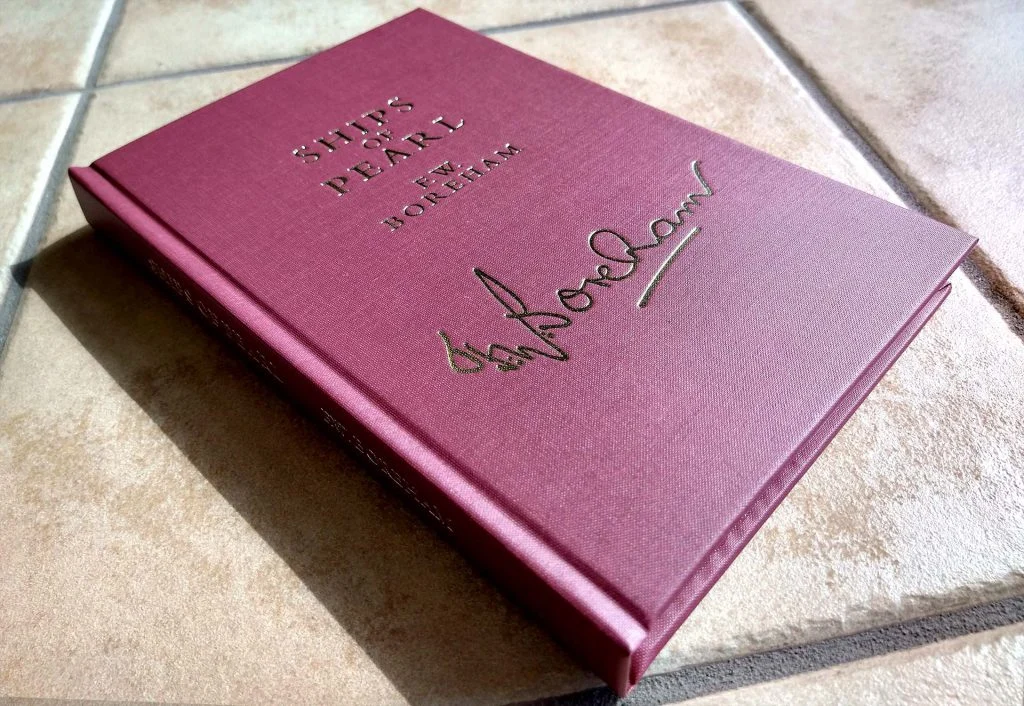
Book cover foil stamping is one of the most effective ways to create a premium finish on notebooks, journals, albums, packaging books, certificates, and luxury printed products.
A clean gold or silver logo on the cover can immediately make the product look more professional.
But book covers are not all the same. Some are made with paperboard, some with coated paper, some with cloth, and some with PU leather or faux leather. Because each surface reacts differently to heat and pressure, the best foil stamping result depends on the right combination of température, la pression, temps de séjour, foil, et qualité du die.
For many paper-based book cover projects, a practical starting point is around 100-110°C avec 1.5-2.5 seconds dwell time. In Zhengfei’s recent paper foil stamping and 3D embossed foil stamping tests, 110°C with 2 seconds produced a balanced result with clear foil transfer, sharp edges, and good surface protection.
Réponse rapide
For paper-based book cover foil stamping, start with:
Température: 100-110°C
Dwell time: 1.5-2.5 seconds
Pression: medium and even
Die type: brass die for flat foil stamping, 3D embossing die for raised effects
If the book cover uses PU leather or faux leather, the temperature should usually be tested more carefully because synthetic surfaces can soften under heat.
Book covers often have layered structures. A cover may include surface paper, glue, greyboard, coating, cloth, PU leather, or laminated material. That means the visible surface and the inner support layer can react differently during hot stamping.
Common book cover foil stamping challenges include:
transfert de feuille incomplet
deep press marks
blurry logo edges
cover warping
uneven pressure on thick board
missing foil in detailed artwork
misalignment on 3D embossed designs
This is why testing before batch production is very important.
Brass Die for Book Cover Foil Stamping
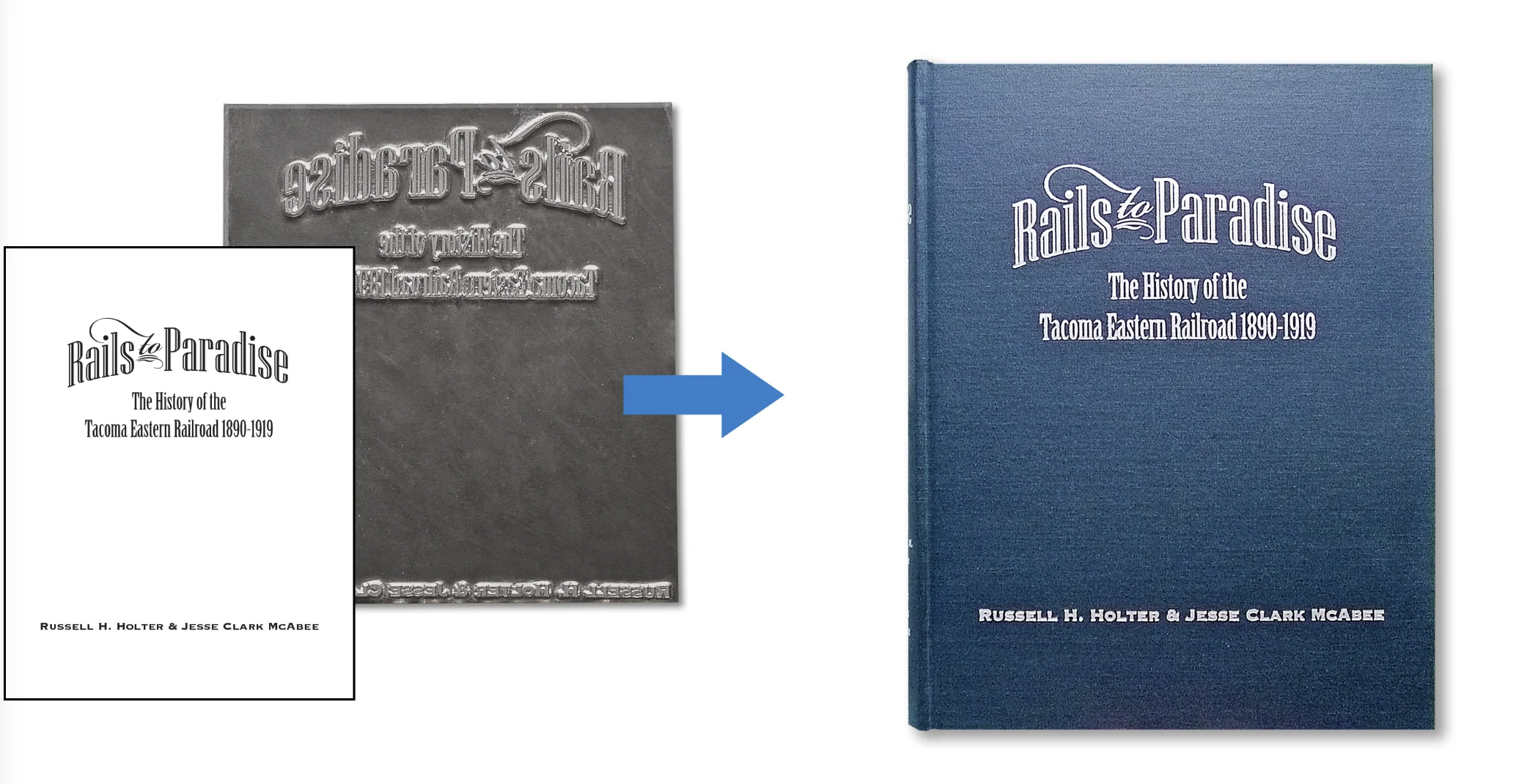
A custom brass die is one of the best options for book cover foil stamping because brass transfers heat evenly and holds fine detail well. It is suitable for logos, titles, initials, decorative borders, and brand marks.
A good brass die helps with:
une meilleure répétabilité
cleaner foil transfer
better heat consistency
Pour le marquage sur cuir et le marquage à chaud, les matrices en laiton sont généralement l'option préférée pour les logos, le texte et les marques détaillées.
more stable production results
For simple flat foil stamping, a standard brass die is usually enough. For raised or dimensional effects, a 3D embossing die set is a better choice.
Flat foil stamping transfers metallic foil onto the surface of the book cover. It creates a clean, bright logo or title but does not create much dimensional depth.
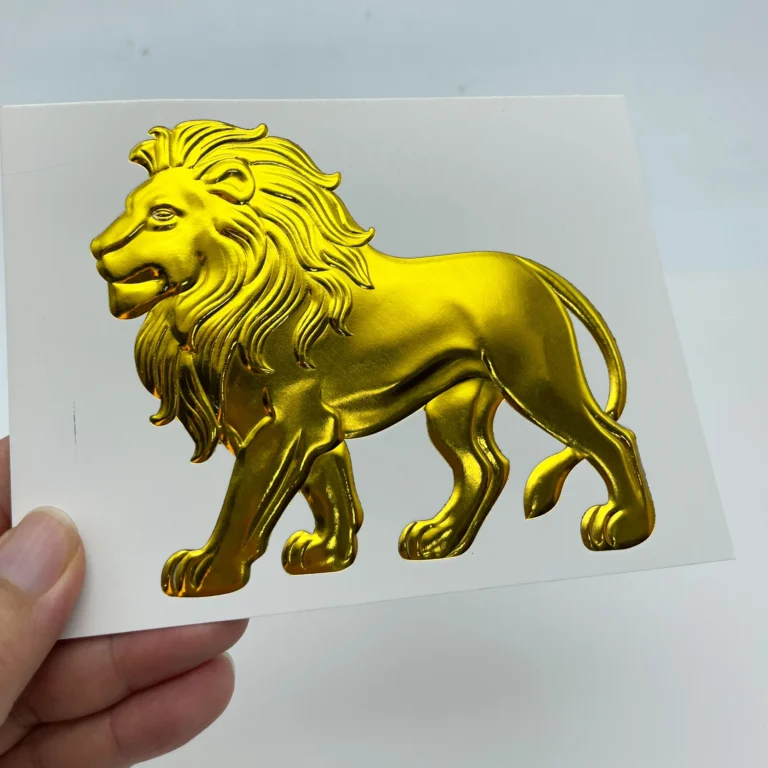
3D embossed foil stamping combines foil transfer with raised or recessed texture. It creates both shine and touchable depth, making it suitable for premium books, gift packaging, certificates, luxury invitations, and brand presentation materials.
Flat foil stamping is suitable for:
notebook logos
book titles
simple cover branding
decorative lines
small brand marks
3D embossed foil stamping is suitable for:
luxury book covers
premium packaging books
invitation covers
certificate covers
high-end brand logos
detailed raised patterns
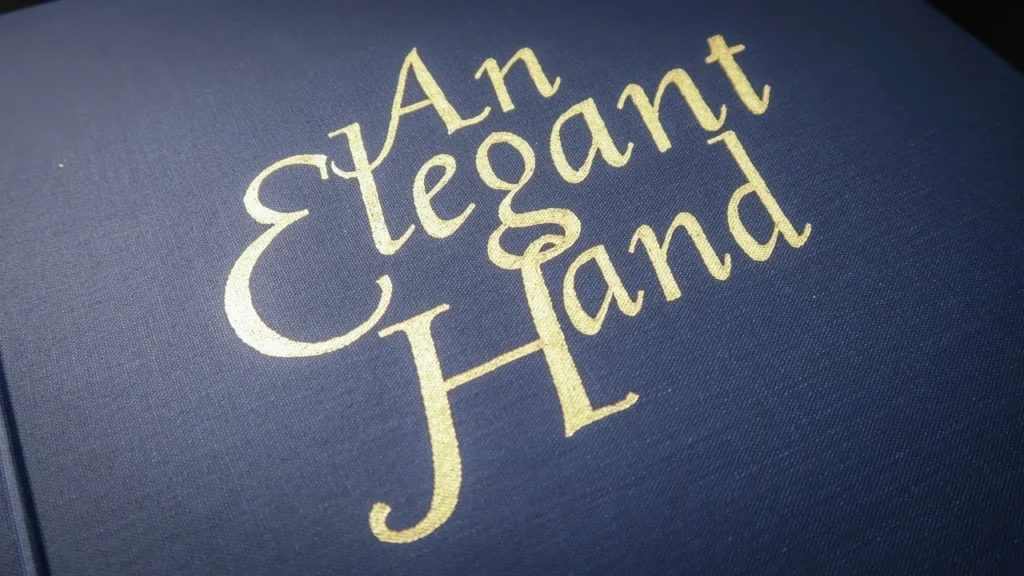
Durable brass dies help achieve clean metallic lettering on cloth book covers for premium publishing projects.
Recommended Temperature for Book Covers
For many paper-based covers, start around 100°C and move toward 110°C if the foil does not transfer completely.
A practical test range is:
Température
Result
Suggestion
90°C
Weak transfer, missing foil, poor shine
Usually too low
100°C
Foil begins to transfer steadily
Good starting test
110°C
Strong transfer, sharp edges, balanced result
Recommended reference
120°C
Fuller foil but higher risk of marks or spreading
Test carefully
In Zhengfei’s 3D embossed paper foil stamping test with the YTJ5T machine and a 3D embossing die, 110°C with 2 seconds gave the best overall balance. The foil transferred evenly, the relief effect was clear, and the paper surface stayed stable.
Pressure Control for Book Cover Foil Stamping
Pressure is just as important as temperature. If pressure is too low, the foil may not transfer fully. If pressure is too high, the cover may show deep marks or the logo edges may spread.
For thick book covers, pressure needs to be strong enough to make full contact across the design. For thin paper covers or coated covers, pressure should be controlled more carefully to avoid surface damage.
A good pressure setup should create:
full foil transfer
clean logo edges
no unnecessary deep marks
even contact across the whole die
stable results across multiple covers
Dwell Time: How Long Should the Die Stay Down?
Dwell time means how long the heated die stays in contact with the foil and cover material.
For many paper-based covers, a useful starting range is:
1,5 seconde for thin covers or fine detail
2 seconds for balanced foil transfer
2.5 seconds for larger designs or deeper textures
Longer time is not always better. If the die stays too long, heat can spread into the cover material and create blurry edges, deeper marks, or surface deformation.
Common Problems and Fixes
Foil Does Not Transfer Completely
Causes possibles :
la température est trop basse
pressure is too weak
le temps de contact est trop court
foil is not suitable for the cover material
die contact is uneven
Fixer :
increase from 100°C toward 110°C
check die leveling
increase dwell time slightly
test a different foil
confirm the cover surface is suitable for foil stamping
Create premium book covers with crisp gold foil details, factory-direct brass dies, and stable stamping results.
Meilleure pratique avant production
Before mass production, test the exact cover material, foil type, die, and machine setup.
A practical workflow is:
Start at 100°C
Stamp for 2 seconds
Check foil transfer and edge sharpness
Increase to 110°C if transfer is incomplete
Reduce pressure if the cover mark is too deep
Confirm the sample before batch production
Do not rely only on one standard setting. Paper thickness, coating, board structure, foil type, and design size can all change the final result.
Réflexions finales
For many paper-based book cover foil stamping projects, 100-110°C avec 1.5-2.5 seconds dwell time is a practical starting range. Based on Zhengfei’s recent paper and 3D embossed foil stamping tests, 110°C with 2 seconds is a strong reference setting for clean transfer, clear edges, and stable surface quality.
For simple logos and titles, a custom brass die can produce clean and professional results. For premium covers that need both metallic shine and touchable depth, a 3D embossing die is a better option.
Need help with book cover foil stamping? ZHENGFEI provides manual hot stamping machines, custom brass dies, 3D embossing dies, and factory-direct support for book covers, packaging, invitations, certificates, and custom printed products. Send your artwork, cover material, foil color, and stamping size, and we can help recommend a suitable die and machine setup.
FAQ
What is the best temperature for book cover foil stamping?
For many paper-based book covers, start around 100-110°C. In Zhengfei’s recent 3D embossed paper test, 110°C with 2 seconds gave a balanced result.
Can I use a brass die for book cover foil stamping?
Yes. A custom brass die is suitable for logos, titles, initials, and decorative patterns on book covers.
What is the difference between foil stamping and 3D embossing?
Foil stamping transfers metallic foil onto the surface. 3D embossing adds raised or recessed texture, creating a more dimensional effect.
Why does foil not stick to my book cover?
The common reasons are low temperature, weak pressure, short dwell time, unsuitable foil, uneven die contact, or a cover surface that resists foil transfer.
Can PU leather book covers be foil stamped?
Yes, but the temperature should be tested carefully because PU leather can soften under heat. A lower starting temperature is usually safer.
What should I send when ordering a custom die?
Send your logo file, final stamping size, cover material, foil color, and product photo if possible. Vector files such as AI or PDF are usually best for production.
Partagez votre amour
ZHENGFEI Technical Team
ZHENGFEI Technical Team shares practical hot stamping knowledge from real production tests, including brass die design, foil stamping parameters, machine setup, leather, paper, acrylic, plastic, wood and packaging applications.






 English
 Japanese
 Spanish
 French
 Korean
 German
 Russian