Nous utilisons des cookies pour nous assurer que nous vous offrons la meilleure expérience possible sur notre site.
Contacter le fondateur
Vous avez encore des doutes ?
Échangez directement avec notre fondateur. Qu’il s’agisse de tarifs ou de détails techniques, obtenez une réponse claire et un « Bonus du fondateur » exclusif pour votre première commande.
Plus de 900 clients satisfaits
🏆 Plus de 1000 projets sur mesure livrés avec succès.
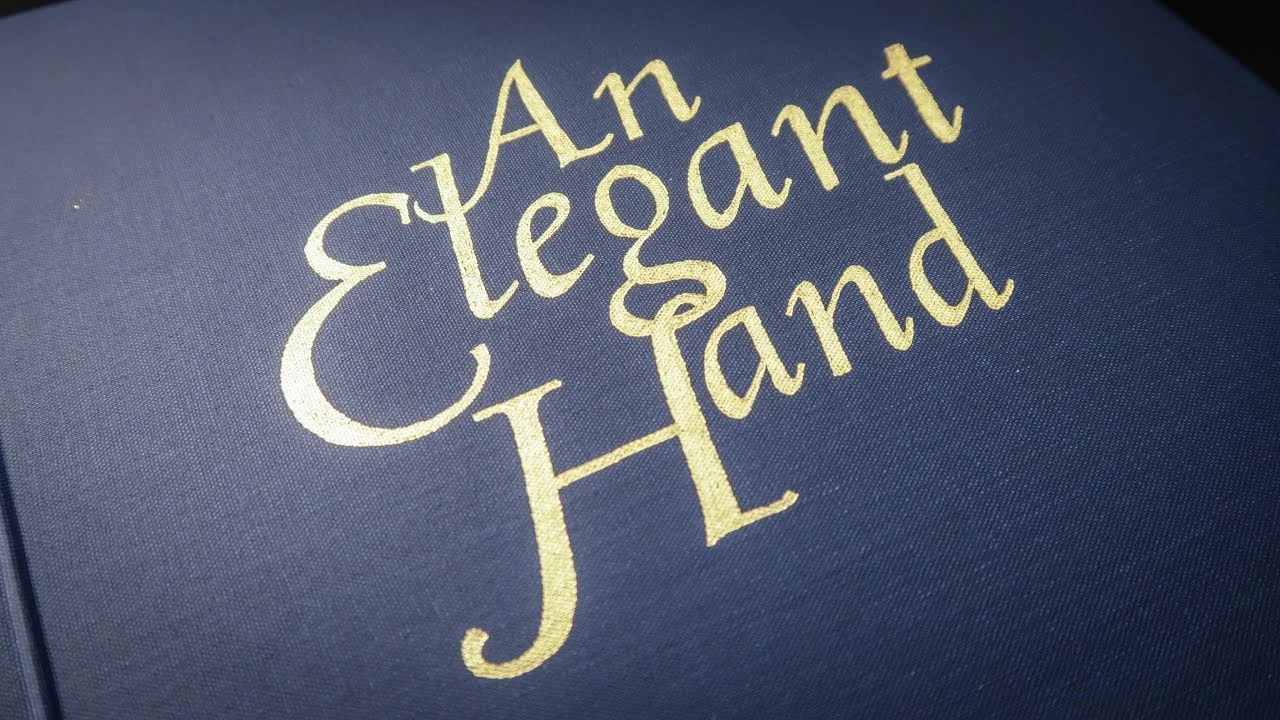
Durable brass dies help achieve clean metallic lettering on cloth book covers for premium publishing projects.
Cricut vs estampage à chaud : la meilleure façon d'ajouter des titres dorés aux couvertures de livres
If you spend time in bookbinding or leathercraft communities, you will see the same question again and again: “How do I add gold lettering to a book cover?”
Many makers start with a Cricut, HTV, foil quill, foil pen, or home iron because these tools are affordable and easy to access. But after a few tests, the problems appear quickly: the foil does not stick, the letters are hard to weed, the cloth texture ruins the design, or the finish looks more like surface vinyl than real book cover foil stamping.
So which method is actually best: Cricut, HTV, Foil Quill, or professional hot foil stamping with a brass die?
The answer depends on your goal. For one-off DIY covers, Cricut and HTV can work. For premium book covers, leather covers, packaging, and repeated production, hot foil stamping with a custom brass die gives a cleaner, more durable, and more professional result.
Reddit discussions show that makers are not only asking “what tool should I buy?” They are really asking:
How do I get gold lettering that looks professional?
Why does HTV look different from real foil stamping?
Why does foil quill fail on textured book cloth?
How do I avoid ruining a finished book cover?
Is a brass die worth it if I only make small batches?
This is exactly where the method choice matters.
A DIY method may be enough for personal projects. But if you sell journals, albums, leather goods, packaging, or limited-edition books, inconsistent gold lettering can make the whole product feel less premium.
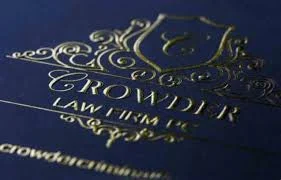
https://zhengfeitechnology.com/contact/Our CNC engraved brass molds reproduce even the most intricate ornate logos with stunning gold foil clarity for professional branding.
Method 1: Cricut + HTV
Cricut with heat transfer vinyl is one of the most popular beginner options. You cut the design from HTV, weed away the extra material, then press it onto the book cover with heat.
It works well for:
larger titles
simple shapes
hobby bookbinding
low-cost experiments
one-off personal covers
But it becomes harder when the design includes:
tiny letters
thin strokes
dots over letters
polices script
detailed logos
narrow spacing
Small lettering is one of the biggest problems. The smaller the title, the harder it is to weed and apply cleanly.
HTV can look nice, but it usually sits on top of the cover. Traditional hot foil stamping creates a more pressed-in, integrated finish.
Method 2: Foil Quill
Foil Quill is popular because it allows makers to use a cutting machine to draw foil designs. It can work well on smooth paper or some coated book cloth.
It is useful for:
thin decorative lines
custom cover illustrations
hobby foil designs
low-volume projects
The main problem is material sensitivity. Textured book cloth often does not take foil evenly. The weave can break up the line, weaken the shine, or make small details hard to read.
For better results, makers often need smoother coated book cloth, paper covers, faux leather, or a paper inset on the cover.
Method 3: Hot Foil Pen
A hot foil pen is flexible and affordable. You place foil on the cover and trace the design manually.
It works for:
simple hand-drawn effects
decorative lines
small DIY projects
experimental covers
But it is not ideal for professional production. It is hard to keep pressure, angle, speed, and line thickness consistent across multiple covers.
For a personal project, this may be acceptable. For a product you plan to sell, it can look inconsistent.
Method 4: Hot Foil Stamping with a Brass Die
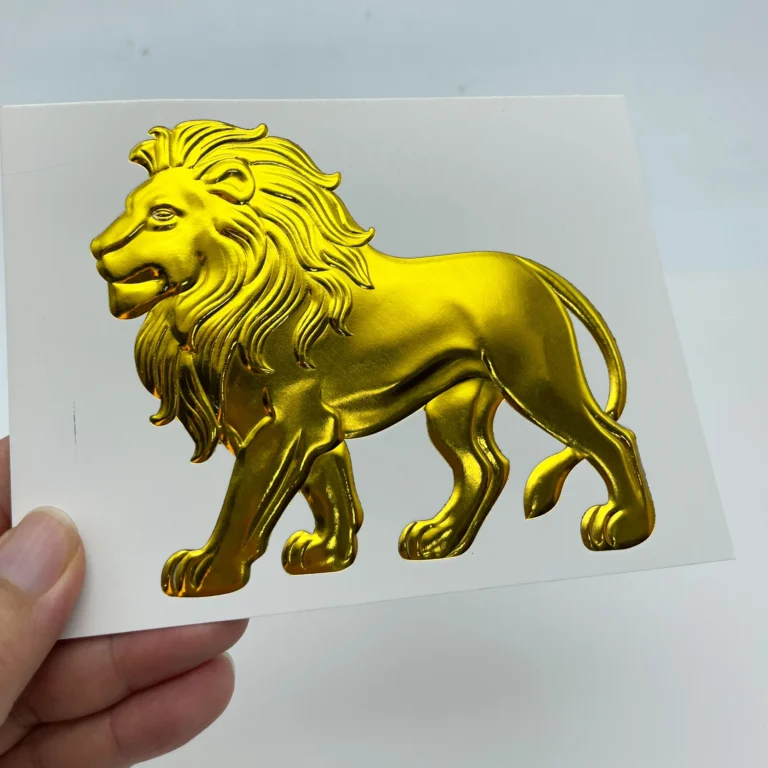
Hot foil stamping uses a heated die, foil, pressure, and dwell time to transfer metallic foil onto the surface. For book covers, packaging, leather covers, and premium stationery, this is the most professional method.
It is best for:
book titles
brand logos
author names
leather cover stamping
premium packaging
repeated production
small business orders
A custom brass die gives better:
edge sharpness
heat transfer
repeatability
durability
small text clarity
professional appearance
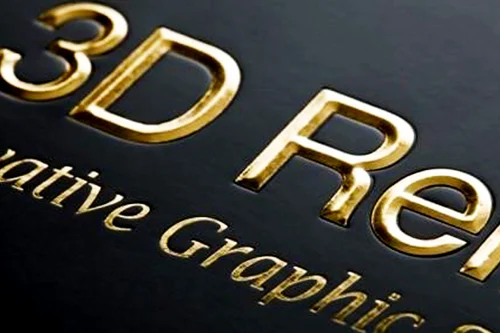
l'accomplissement de ZHENGFEI des matrices en laiton personnalisées are CNC engraved with up to 0,01mm precision, which helps keep fine lettering and logo edges cleaner during stamping.
Book cloth is one of the most frustrating materials for gold lettering. The texture can interrupt foil transfer, especially with foil quill or small HTV designs.
Les problèmes courants incluent :
broken foil lines
weak shine
fuzzy edges
incomplete transfer
small letters becoming unreadable
Smooth coated cloth, paper covers, PU leather, and faux leather usually give more predictable results than rough or loose-weave cloth.
For textured cloth covers, the design should be larger, bolder, and less detailed.
Why Small Letters Fail
Small letters are where DIY methods often struggle most.
With HTV, small letters are hard to weed. With foil quill, small letters can break up on textured cloth. With hot foil stamping, small letters need the right brass die, pressure, and temperature.
The Biggest Mistake: Testing on the Finished Cover First
Many makers ruin a finished cover because they test directly on the final product. This is risky with every method.
Before production, always test:
the same cover material
the same foil
the same die or tool
the same temperature
the same pressure
the same dwell time
If the foil does not transfer completely, do not immediately increase temperature. First check pressure, die contact, foil compatibility, and material texture.
For DIY bookbinding, Cricut, HTV, foil quill, and hot foil pens can all be useful. They are affordable and flexible, especially for one-off projects.
But for professional book covers, leather covers, premium packaging, and repeated production, hot foil stamping with a custom brass die is the better long-term method. It gives a cleaner finish, sharper lettering, stronger consistency, and a more commercial appearance.
No. HTV is a heat-applied vinyl film that sits on the surface. Hot foil stamping transfers foil with heat and pressure, usually creating a more professional pressed finish.
Can Foil Quill work on book cloth?
Yes, but it depends heavily on the book cloth. Smooth coated cloth works better than rough or textured cloth.
What is the best method for professional gold book titles?
For professional results, a custom brass die with a hot foil stamping machine is usually the best method.
Why does my gold lettering look patchy?
Patchy lettering may come from low temperature, weak pressure, unsuitable foil, textured material, or uneven die contact.
Is a custom brass die worth it?
If you need repeatable logos, titles, or brand marks, yes. A brass die gives better consistency and sharper results than most DIY methods.
What file should I send for a custom book cover die?
AI or vector PDF is usually best. JPG can work for simple artwork, but vector files give cleaner engraving results.
Partagez votre amour
ZHENGFEI Technical Team
ZHENGFEI Technical Team shares practical hot stamping knowledge from real production tests, including brass die design, foil stamping parameters, machine setup, leather, paper, acrylic, plastic, wood and packaging applications.






 English
 Japanese
 Spanish
 French
 Korean
 German
 Russian