Мы используем cookie, чтобы обеспечить максимальное удобство использования нашего веб-сайта.
Contact Founder
Still have doubts?
Connect directly with our Founder. Whether it’s about pricing or technical details, get a straight answer and an exclusive “Founder’s Bonus” for your first order.
900+ Satisfied Clients
🏆 Over 1000+ Custom Projects Successfully Delivered.
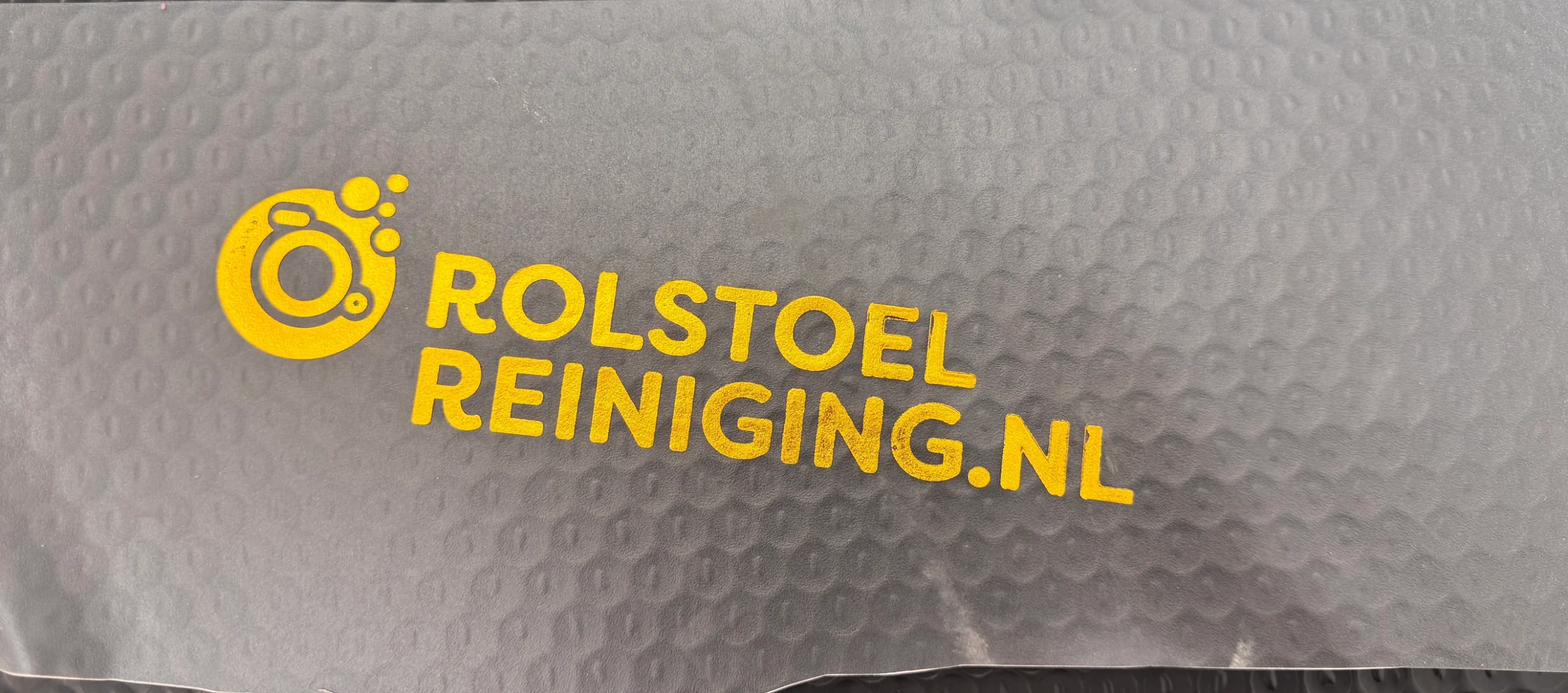
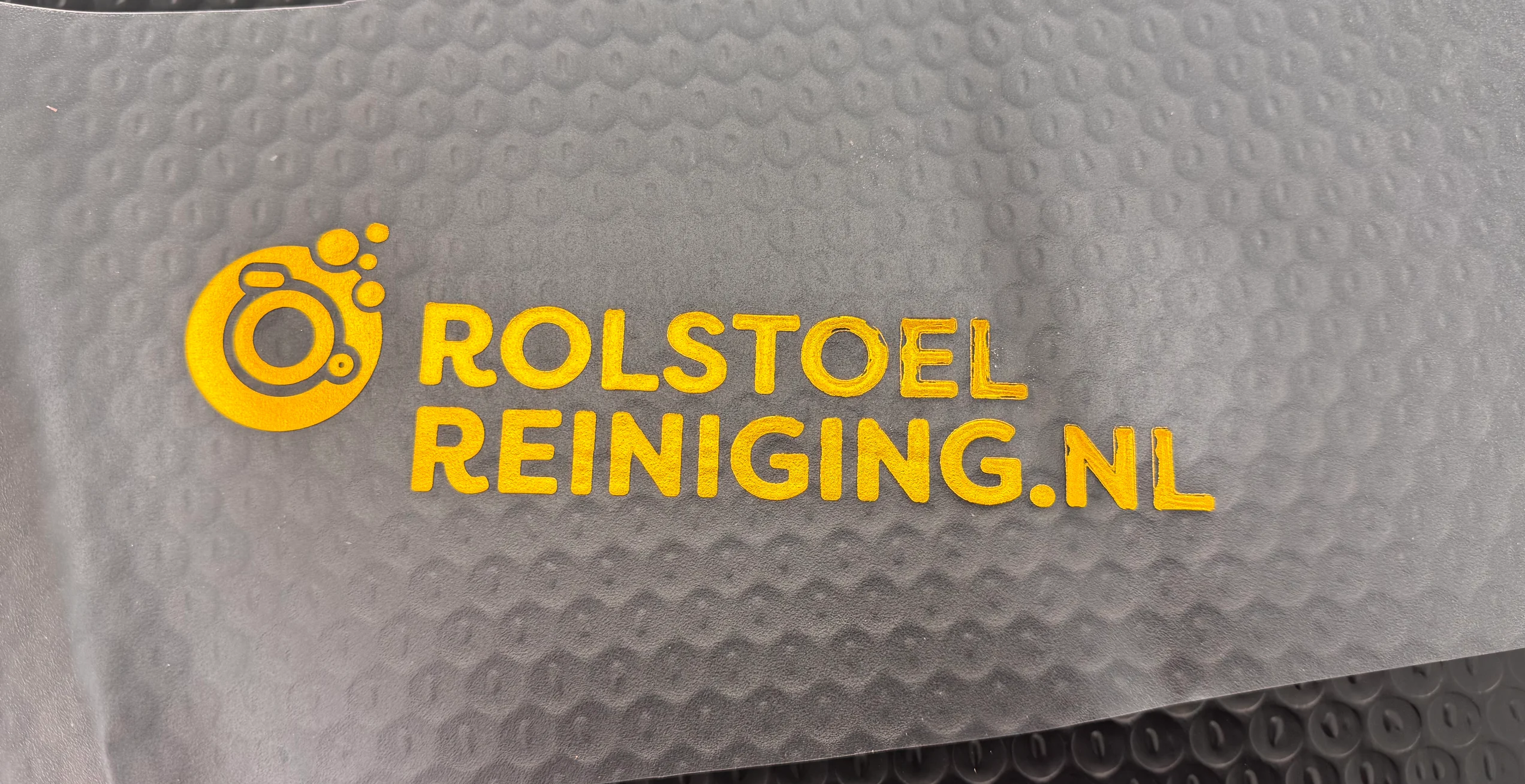
For the WT-QY300 soft PVC foil stamping temperature test, 90°C gave the best balance of foil coverage, edge definition and surface condition across a 5 × 19 cm die. The report compared 80°C, 90°C and 100°C while holding the other stated process conditions consistent. At 80°C, the foil was more likely to transfer incompletely; at 100°C, transfer was strong but the risk of PVC softening and foil spreading beyond the design increased. Use 90°C as a starting reference for a closely matched setup, not as a universal setting for every PVC formulation or foil.
This guide is for PVC product decorators, production teams and equipment buyers who need a larger logo or graphic on flexible PVC. It summarizes what the three samples showed and gives a controlled way to check material, foil, die contact and surface quality before a production run.
Key takeaways
Tested machine: WT-QY300 3-ton pneumatic-hydraulic hot stamping machine.
Tested die: 5 × 19 cm (50 × 190 mm).
Test temperatures: 80°C, 90°C and 100°C.
Best result in this comparison: 90°C.
The report does not give the foil model, PVC formulation, numerical pressure or dwell time; confirm these on the actual production materials.
What was tested on the WT-QY300?
The test examined foil transfer on soft PVC using a large 5 × 19 cm die. The report says pressure, stamping time, die, foil and other process conditions were kept consistent while temperature changed, allowing the samples to be compared on transfer completeness, edge clarity, metallic gloss, adhesion stability and visible PVC surface changes.
Test item
Reported condition
Машина
WT-QY300 3-ton pneumatic-hydraulic hot stamping machine
Материал
Soft PVC
Die size
5 × 19 cm (50 × 190 mm)
Temperatures compared
80°C, 90°C and 100°C
Variables held consistent
Pressure, stamping time, die, foil and other conditions
Best-performing setting in this test
90°C
Sample testing with a large custom die helps assess foil edges and protect soft PVC surface detail.
The report does not identify the exact PVC grade, thickness, surface finish, foil product code or numerical pressure and dwell time. Those details can affect both adhesive transfer and heat response, so readers should record them in their own sample log rather than infer them from this comparison.
How did 80°C, 90°C and 100°C compare?
Soft PVC foil stamping requires enough heat to activate the foil adhesive, but too much heat can soften or mark the substrate. In this test, 80°C presented an incomplete-transfer risk across the larger design. At 90°C, transfer was more even and the PVC surface remained stable-looking. At 100°C, foil transfer was sufficient, but higher heat increased the risk of edge spread and heat-related surface marks.
Set temperature
Observation in the report
Practical reading
80°C
Adhesive activation was insufficient; parts of a large design could show missing foil, broken lines, faint color or weaker gloss.
Too low for this test combination; not recommended as its production reference.
90°C
More complete and even transfer, clear edges and details, full metallic gloss, stable adhesion and no obvious softening, deep indentation, shrinkage or heat deformation.
Best balance in this test; use as the first sample point for a closely matched setup.
100°C
Foil transferred, but design edges could spread, lines appear thicker or foil bleed; excess pressure or dwell could deepen impressions or deform the PVC.
Higher-risk setting for this sample; not recommended as its routine setting.
In this test, 80°C gave an even foil transfer without obvious softening of the tested PVC. In this test, 90°C gave an even foil transfer without obvious softening of the tested PVC.In this test, 100°C gave an even foil transfer without obvious softening of the tested PVC.
Test soft PVC foil transfer with our 3-ton hot stamping press, get consistent large-area gold branding without substrate deformation.
These findings are visual and process observations for one material/tooling combination. The report does not include quantified peel, rub, abrasion, aging or batch-repeatability testing, so it does not establish long-term adhesion or durability.
Why does a large die need careful setup?
A 5 × 19 cm die spans a larger contact area than a small logo stamp. If the heated platen, die, backing and PVC are not parallel, one end may receive different contact from the other. That can produce a clear impression on one side and missing foil on another even when the controller shows the selected setpoint.
Large tooling also needs time to reach stable, even heat. Allow the setup to stabilize and inspect the whole impression, especially the outer edges and fine lines. If the result varies across the length, check alignment, backing flatness and pressure distribution before raising the temperature.
How to test hot foil stamping on soft PVC
Use a small, controlled trial to adapt the 90°C finding to your actual PVC and foil.
Use representative material. Sample the same PVC formulation, thickness, finish and production batch where possible. Keep the surface clean and dry.
Confirm foil compatibility. Ask the foil supplier whether the grade is suitable for the actual soft PVC surface and stamping method; record its product code and batch.
Check the die and support. Ensure the die, platen, backing and workpiece sit flat and make even contact across the complete 5 × 19 cm area.
Stabilize the die temperature. Do not assume the full die is uniformly heated as soon as the controller reaches its setpoint.
Start at 90°C for a close match. This is a reference from the report, not a default for dissimilar PVC or foil.
Keep pressure and dwell time constant during a temperature comparison. The report does not state their numeric values, so record the values actually used on your machine.
Change one variable at a time. If necessary, adjust temperature in small increments; the report suggests approximately ±5°C steps. Avoid changing temperature, pressure and dwell simultaneously.
Inspect the foil and PVC together. Check missing areas, broken lines, edge spread, gloss, adhesion, indentation, shrinkage and deformation.
Repeat the sample before production. Confirm the chosen setting on multiple representative parts and retain an approved sample with its settings log.
More heat is not the only remedy for weak transfer. First check foil compatibility, contamination, die temperature stability, parallel contact and pressure uniformity. Raising pressure or heat to compensate for an uneven setup may create deeper marks or soften the PVC.
Troubleshooting common PVC foil-stamping defects
Defect
What to check first
Missing foil or faint color
Foil compatibility, clean surface, stable die temperature and even contact across the design.
Broken lines or weak fine details
Die cleanliness, artwork/die detail, alignment and contact; then adjust one process variable at a time.
One side transfers better than the other
Platen-to-die parallelism, flat backing and even pressure distribution.
Foil spreads outside the artwork
Temperature, dwell, pressure and alignment; do not raise all three process settings together.
Deep pressure marks or local gloss changes
Reduce excess pressure or dwell and reassess heat; reject any setting that visibly damages the PVC.
Performance changes between batches
Recheck PVC thickness, formulation, surface treatment and foil lot; run a fresh sample after material changes.
For general diagnostic thinking, see our article on why foil does not transfer and how to troubleshoot it. That article concerns leather, so its material-specific temperature guidance should not be copied to PVC; use it only as a checklist for separating material, foil, contact and process issues.
Selecting the WT-QY300 and matching tooling
The test identifies the WT-QY300 as the machine used; it does not show that every soft PVC application requires a 3-ton press. Select a machine based on product size, working clearance, required repeatability and the actual die/material combination. The report gives no numerical force or pressure used during the trial.
See the WT-QY300 3-ton pneumatic-hydraulic foil stamping machine for its current product specifications. Its page lists a 200 × 300 mm heating plate and a 50–350°C temperature control range; these are catalog specifications, not extra conditions from the PVC test. For custom tooling, review custom brass mold options and confirm die material and construction for the specific foil and PVC surface.
Foil selection is part of the process too. Foilco’s foil grade guide describes its foil range and advises users to select a compatible grade for the application. It is a supplier reference, not evidence that any grade or temperature will work on every soft PVC.
Frequently asked questions
What is the best temperature for hot foil stamping on soft PVC?
In the WT-QY300 test with a 5 × 19 cm die, 90°C gave the best balance among 80°C, 90°C and 100°C. It produced more even transfer, clear edges and a stable-looking surface on the tested PVC. Use it as a starting point only, then confirm the actual PVC and foil combination.
Can I use 90°C for every soft PVC product?
No. PVC formulation, thickness, surface finish and plasticizer content can vary, and foil adhesives are designed for particular substrates. A new PVC batch or foil grade may transfer differently, so run a representative sample test before production.
Why might foil transfer poorly at 80°C?
The report describes insufficient adhesive activation at 80°C for its large-die test. Before increasing heat, check foil suitability, surface cleanliness, die temperature stability and even contact. Change one process variable at a time so the cause of improvement or failure is clear.
What can happen if I raise the temperature to 100°C?
The report found sufficient transfer at 100°C, but also warned of edge spread, thicker lines and higher softening risk on the tested PVC, especially with excess pressure or dwell. Inspect both the foil boundary and the PVC surface rather than judging only by overall coverage.
What pressure and dwell time should I use on the WT-QY300?
The report says pressure and stamping time were kept consistent across its comparison but gives no numeric values. There is no pressure or dwell figure to copy from it. Start conservatively with the machine and foil suppliers’ guidance, then document your actual sample settings.
Does this test prove the foil will remain attached over time?
No. It evaluates transfer appearance, edge quality and visible PVC condition during the test. It does not report long-term adhesion, abrasion, rub, wash or aging results. Define separate acceptance tests if the finished product has durability requirements.
Conclusion
For this WT-QY300 soft PVC foil stamping temperature test, 90°C was the best result among 80°C, 90°C and 100°C with a 5 × 19 cm die. The lower setting carried an incomplete-transfer risk, while the higher setting increased the chance of edge spread and heat-related PVC marks. Reproduce the tested setup as closely as possible, verify even contact, and confirm the result on your own material and foil before production.
ZHENGFEI Technical Team shares practical hot stamping knowledge from real production tests, including brass die design, foil stamping parameters, machine setup, leather, paper, acrylic, plastic, wood and packaging applications.








 English
 Japanese
 Spanish
 French
 Korean
 German
 Russian