Nous utilisons des cookies pour nous assurer que nous vous offrons la meilleure expérience possible sur notre site.
Contacter le fondateur
Vous avez encore des doutes ?
Échangez directement avec notre fondateur. Qu’il s’agisse de tarifs ou de détails techniques, obtenez une réponse claire et un « Bonus du fondateur » exclusif pour votre première commande.
Plus de 900 clients satisfaits
🏆 Plus de 1000 projets sur mesure livrés avec succès.
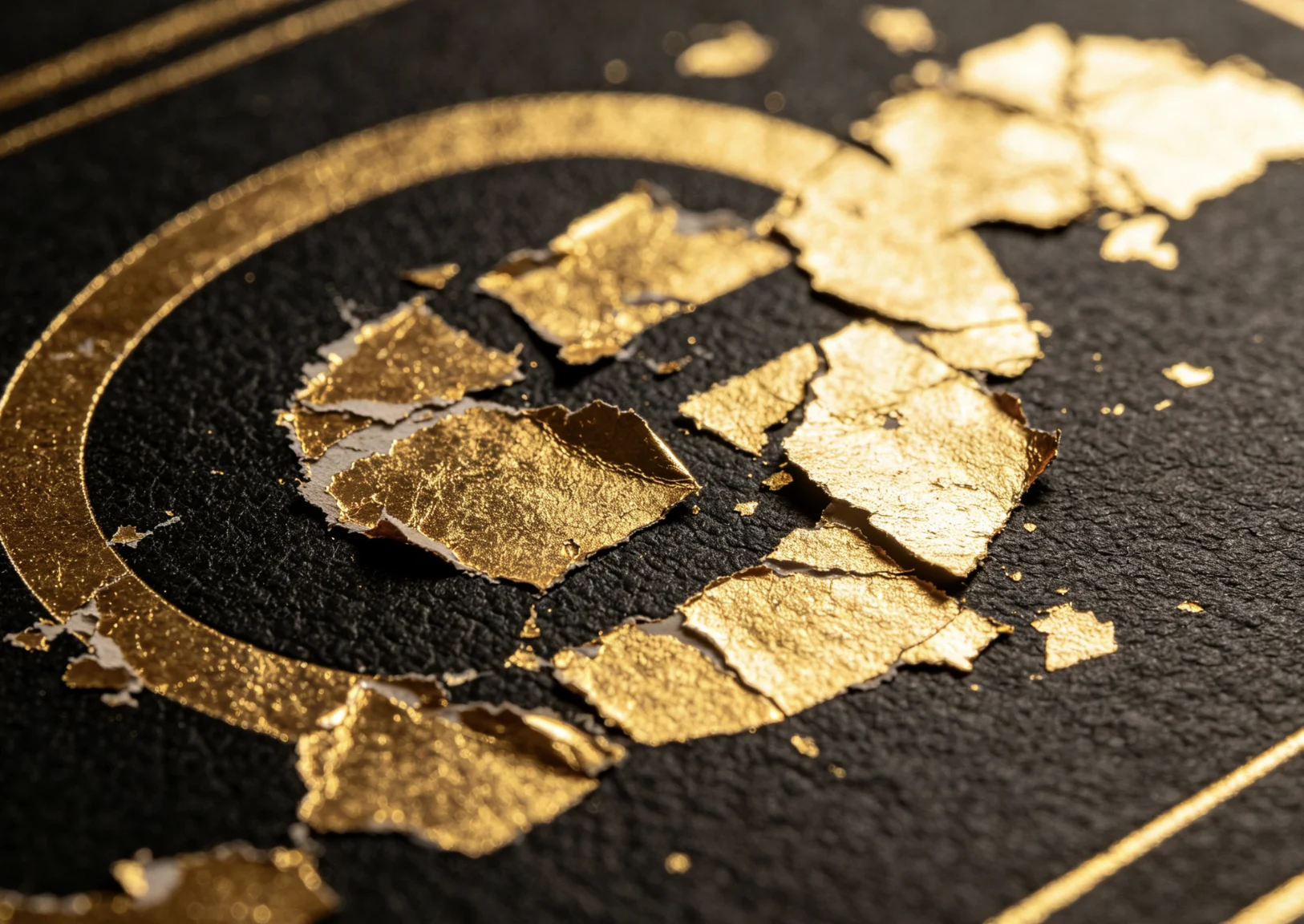
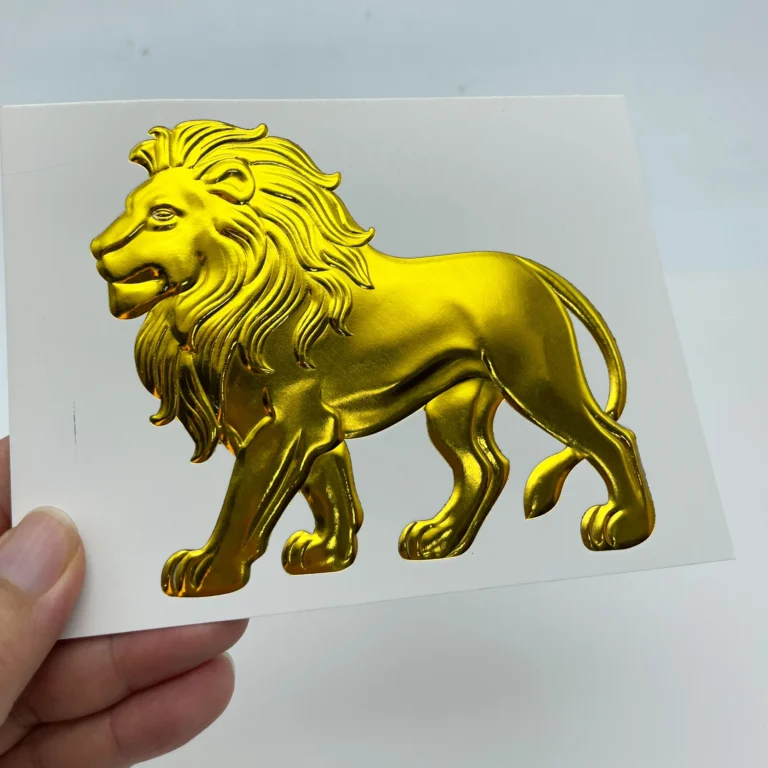
Uneven brass die contact, low heat or insufficient dwell time causes severe foil cracking & peeling; our flat precision molds deliver full uniform pressure to fix adhesion issues.
Pourquoi la feuille d’or se décolle-t-elle après le marquage ? Solutions pour l’adhérence, le matériau et l’usure
Gold foil can look perfect right after stamping and still fail later if the adhesion is weak.
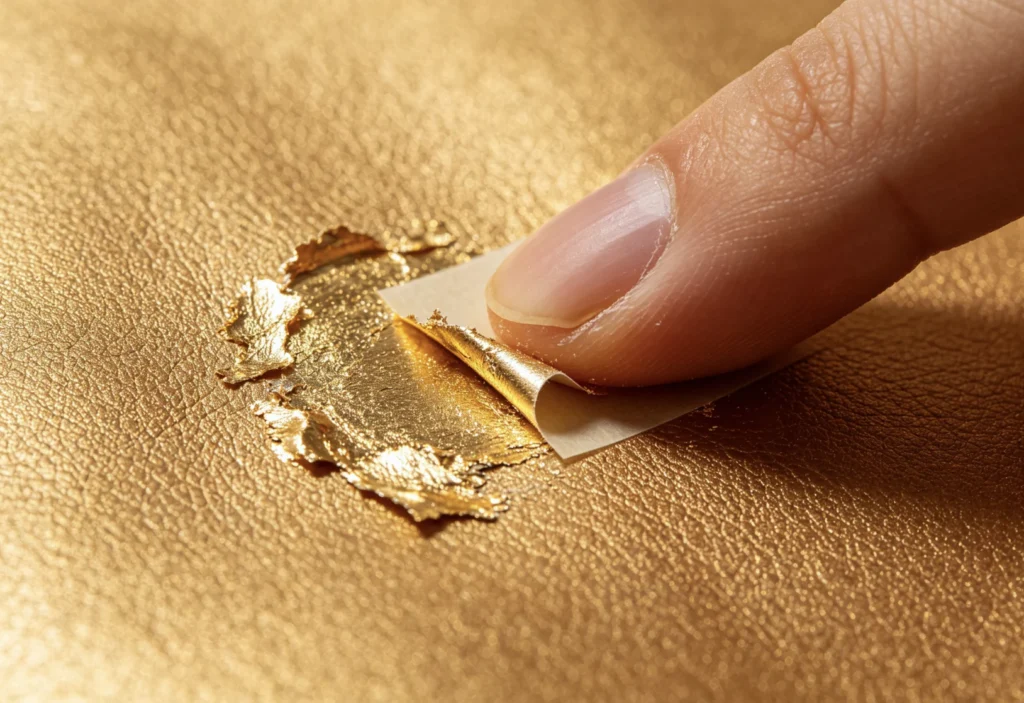
This is different from a failed transfer. When foil does not transfer, the problem shows up immediately. When gold foil peels off after stamping, the foil first appears on the surface, but later rubs away, scratches off, flakes, or lifts from the material.
The most common causes are low heat, short dwell time, weak pressure, wrong foil type, coated leather, surface oil, large solid artwork, uneven die contact, or heavy abrasion during use.
This guide explains why foil peels after hot stamping on leather, PU leather, paper, book covers and packaging, and how to improve adhesion before production.
Réponse rapide
Gold foil peels off after stamping because the foil adhesive layer did not bond strongly enough to the material surface, or because the finished product faces more rubbing and flexing than the foil can tolerate.
These two problems look similar to customers, but the fixes are different.
Problème
When It Appears
What It Usually Means
First Fix
Foil does not transfer
Immediately after stamping
Heat, pressure, dwell time or foil compatibility is not enough
Adjust stamping settings
Foil transfers but looks pale
Immediately after stamping
Weak contact or low activation
Increase adhesion gradually
Foil peels after cooling
Minutes or hours later
Bond is weak or surface rejects foil
Check material and foil match
Foil rubs off during use
Days or weeks later
Wear exceeds durability of surface foil
Change method, design or material
Foil scratches easily
During handling
Large solid area or soft surface
Use outlines, better foil or deeper impression
The key question is simple: Did the foil bond, or did it only sit on top of the surface?
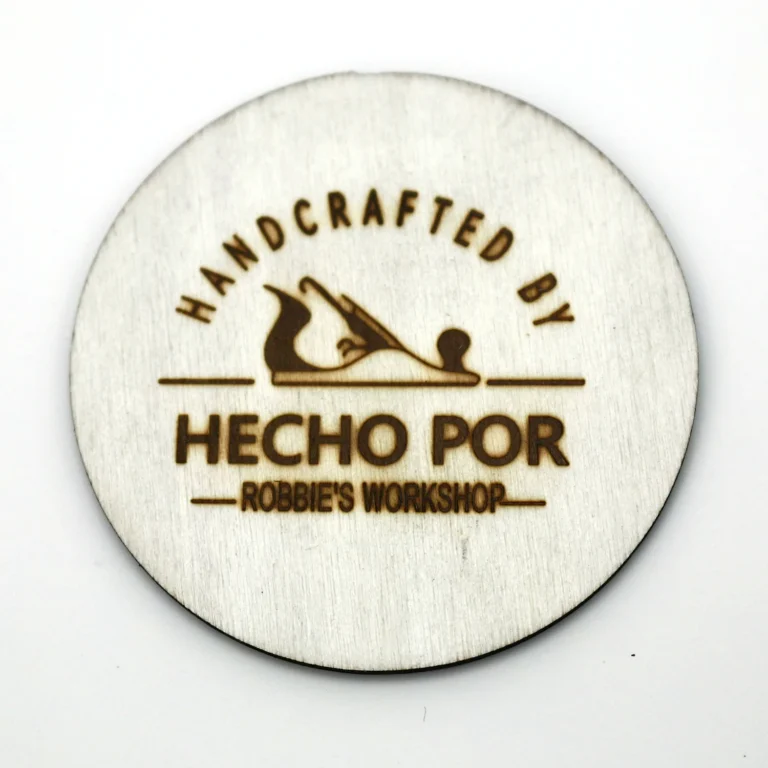
0.01mm precision flat machined brass molds eliminate uneven edge pressure that leads to partial foil chipping and peeling on rigid packaging paper.
Cause 1: The Temperature Was Too Low
Hot stamping foil needs enough heat to activate its adhesive layer. If the die is too cool, the foil may appear to transfer but will not bond deeply enough.
This often creates pale color, weak edges and poor adhesion. The logo may pass a quick visual check but fail when rubbed or bent.
For many Zhengfei PU leather and paper tests, a controlled range around 100-110°C has produced a better balance of transfer, edge clarity and adhesion, depending on the material and foil. This is a reference range, not a universal rule.
Dwell time is how long the heated die stays in contact with the foil and material.
If the time is too short, the foil may not fully activate. This is especially common with textured leather, thicker book covers, large logos or materials that do not absorb heat quickly.
Do not jump from very short dwell time to very long dwell time. Increase gradually. Too much time can cause foil bleed, blurred edges, leather damage or extra gold around the stamp.
Foil adhesion needs contact. If pressure is too weak, the foil may attach only to the high points of the texture. If pressure is uneven, one side of the logo may hold while the other side peels.
This happens often on:
pebbled leather
soft leather covers
uneven book covers
thick paperboard
large brass dies
designs with mixed thin and solid areas
A stable press and a level die are more useful than simply pressing harder. Too much pressure can crush details or spread the foil.
Our factory optimizes brass mold flatness & provides machine parameter guides to stop foil lifting even on coated PU and finished leather substrates.
Cause 4: The Foil Is Not Matched To The Material
Not all hot stamping foil works on every material.
Some foils are better for paper. Some are better for leather. Some work well on smooth PU but fail on textured genuine leather. Some colors also behave differently from others under the same temperature.
If gold works but black bleeds, or silver works but rose gold peels, the machine may not be the only issue. The foil formula may need different heat, pressure or dwell time.
Before batch production, test the exact foil color on the exact material surface.
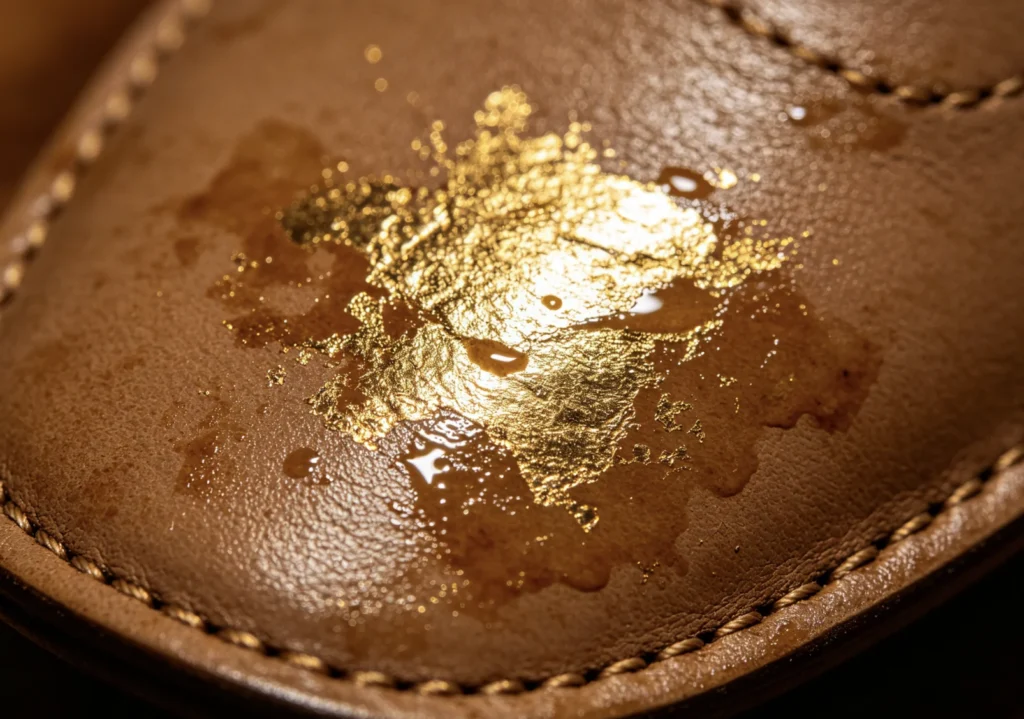
Cause 5: The Leather Surface Has Coating, Oil Or Finish
Leather and PU leather often have surface finishes that affect foil bonding.
Foil may peel if the surface has:
oil or wax
silicone finish
heavy top coating
textured grain
soft stretch
uneven dye or paint
dust from cutting or handling
Clean testing matters. Do not judge adhesion from a dusty offcut or a surface handled many times with oily fingers.
If the leather rejects foil no matter how you adjust settings, blind debossing or heat branding may be more durable than metallic foil. See Embossing vs Foil Stamping vs Heat Branding for method selection.
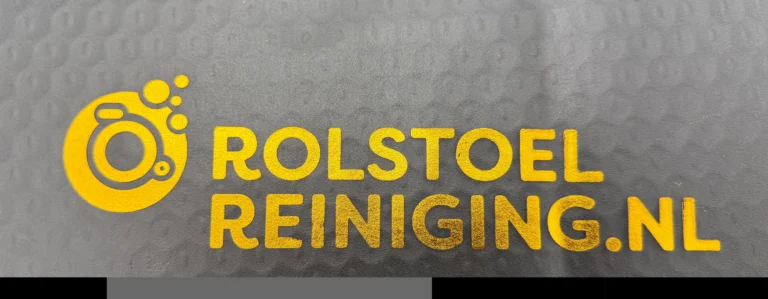
We offer matched high-adhesion foil recommendations and brass die design adjustments to make foil resist moisture and daily abrasion on leather accessories.
Cause 6: The Logo Has Too Much Solid Area
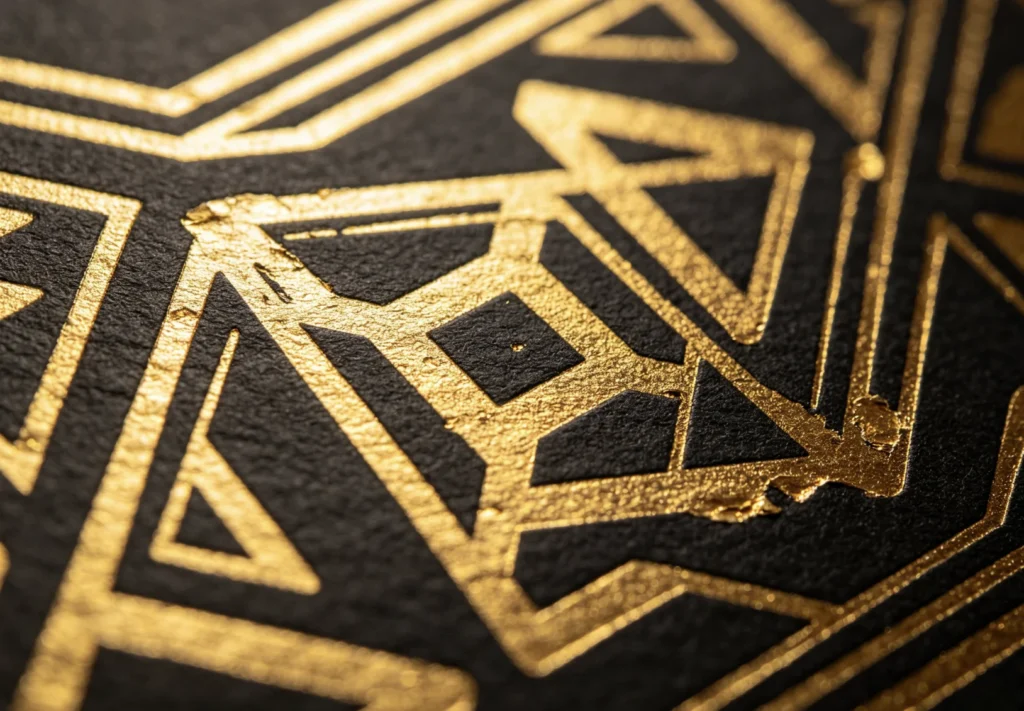
Large solid foil areas look attractive, but they are harder to bond evenly and easier to scratch visibly.
Thin lines, outlines and lettering usually hold better than large filled shapes because they have less surface area fighting the material. Large solid blocks need more even heat and pressure, and they show wear faster.
Cause 7: The Product Faces Heavy Rubbing Or Flexing
Sometimes the stamping process is good, but the product use is too aggressive for surface foil.
Foil on a book cover that stays on a shelf can last much longer than foil on a wallet that bends, rubs against pockets, and touches skin every day. A bag handle or flexible notebook corner will wear faster than a flat certificate or packaging box.
This is a product-design issue, not only a stamping issue.
For heavy-use leather goods, consider:
smaller foil logos
deeper debossing
blind debossing
heat branding
placing the logo in a lower-rub area
using outline artwork instead of solid foil
Cause 8: The Die Contact Is Not Clean
A dirty or uneven die can reduce adhesion. Dust, old foil residue, adhesive buildup and surface scratches can stop the die from applying even heat and pressure.
If a customer wants maximum wear resistance on a high-contact leather item, blind debossing may be a better choice than metallic foil.
Blind debossing does not add a surface metallic layer. It changes the shape of the material instead. That means there is no foil layer to scratch away.
Choose blind debossing when:
the product bends often
the logo sits in a high-rub area
the material rejects foil
the customer prefers subtle branding
long-term wear matters more than metallic shine
Choose foil stamping when visual impact matters more and the product area is protected from heavy rubbing.
FAQ
Why does gold foil peel off leather after stamping?
Gold foil peels off leather when the foil adhesive does not bond strongly to the leather surface or when the product faces heavy rubbing and bending. Common causes include low heat, short dwell time, weak pressure, wrong foil, surface coating, oil, textured leather or large solid artwork.
Is foil stamping on leather permanent?
Foil stamping can be durable, but it is still a surface effect. It usually lasts longer on flat, low-rub areas and wears faster on wallets, bags, hinges or flexible corners. For heavy-use items, blind debossing or heat branding may be more durable.
Can I fix foil that already peeled off?
Sometimes a small test area can be restamped, but it depends on the material, logo position and remaining foil. On finished goods, restamping can create double images, scorch marks or uneven foil, so test carefully before touching the final product.
Does higher temperature make foil more durable?
Not always. Higher temperature can improve adhesion when the original setting is too low, but too much heat can cause foil bleed, damaged leather, blurry edges or extra residue. Increase temperature gradually and test.
Why does foil peel from large solid logos?
Large solid foil areas are harder to bond evenly and show scratches more clearly. They often need more stable pressure, better die contact and careful artwork design. Outlines and lettering usually hold better than large filled shapes.
Should I pre-emboss before foil stamping to stop peeling?
Sometimes pre-embossing can help create a pocket for the foil, but it is not a universal fix. If adhesion is weak because of foil type, surface coating or poor heat settings, pre-embossing will not solve the real problem. Read Faut-il pré-gaufrer avant le marquage à chaud ?.
What should I send Zhengfei for troubleshooting?
Send the material type, product photo, foil color, stamping temperature, dwell time, pressure method, die size, logo file and a photo of the failed result. This helps identify whether the problem is material, foil, die, machine setup or artwork.
Conclusion
When gold foil peels off after stamping, the problem is usually weak adhesion, wrong foil choice, unsuitable surface coating, poor die contact or product wear.
Start with the basics: test the actual material, use the right foil, adjust temperature and dwell time gradually, keep pressure level, and avoid large solid foil areas unless the machine and die can support them.
If the product will face heavy rubbing, consider blind debossing or heat branding instead of metallic foil. If you are not sure which process is best, send your material, artwork and failed sample photo to ZHENGFEI. We can help recommend the right foil stamping machine, custom brass die or branding method for your project.
Partagez votre amour
ZHENGFEI Technical Team
ZHENGFEI Technical Team shares practical hot stamping knowledge from real production tests, including brass die design, foil stamping parameters, machine setup, leather, paper, acrylic, plastic, wood and packaging applications.






 English
 Japanese
 Spanish
 French
 Korean
 German
 Russian