Wir verwenden Cookies, um sicherzustellen, dass wir Ihnen die beste Erfahrung auf unserer Website bieten.
Contact Founder
Still have doubts?
Connect directly with our Founder. Whether it’s about pricing or technical details, get a straight answer and an exclusive “Founder’s Bonus” for your first order.
900+ Satisfied Clients
🏆 Over 1000+ Custom Projects Successfully Delivered.
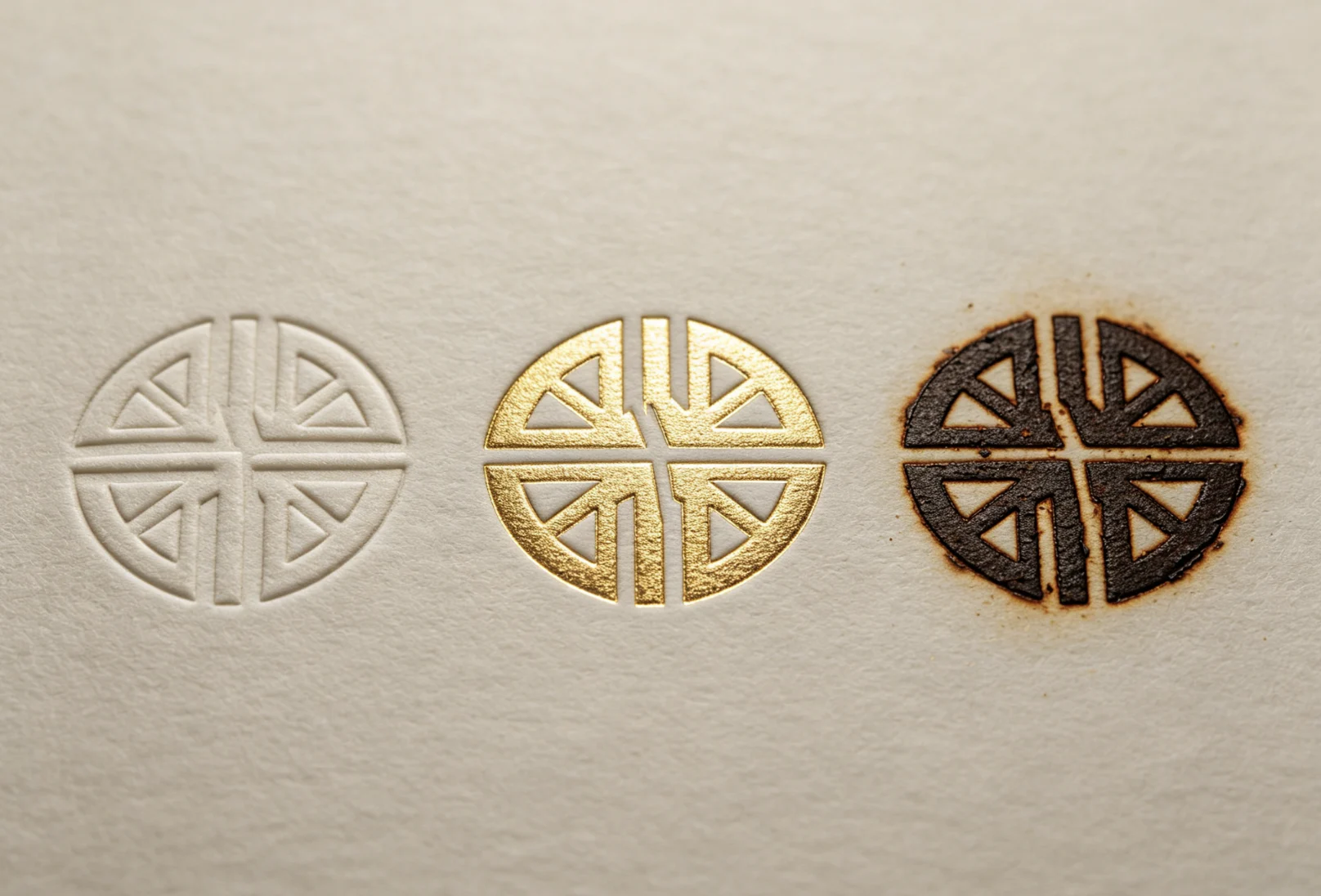
Compare emboss, foil stamping and heat branding in one sample to pick the ideal premium marking finish for your product line.
Embossing vs Foil Stamping vs Heat Branding: Which Marking Method Should You Choose?
If you want to add a logo, seal, name, title, monogram or decorative mark to a product, the first question is not always "Which machine should I buy?"
The better question is: What kind of mark do you want the customer to feel and see?
Embossing, foil stamping and heat branding can all create a premium custom mark, but they work in different ways. Embossing uses pressure to raise or press a design into the material. Foil stamping uses heat, pressure and foil to add metallic color. Heat branding uses a heated metal die to create a burned or darkened mark on suitable materials.
This guide compares embossing vs foil stamping vs heat branding for paper, envelopes, leather, book covers, packaging, wood and handmade products, so you can choose the right process before ordering a die or machine.
Quick Answer
Choose embossing when you want a clean raised or pressed texture without color, especially on paper, envelopes, certificates and stationery.
Choose foil stamping when you want a metallic gold, silver or colored logo on paper, leather, PU leather, book covers or packaging.
Choose heat branding when you want a permanent burned mark on leather, wood, cork or other heat-responsive materials.
Paper, leather, PU leather, book covers, packaging
Gold logos, titles, luxury packaging
Heat Branding
Burned or darkened mark
No foil needed
Heated branding iron or hot stamping die
Leather, wood, cork, some paperboard
Permanent brand marks and rustic logos
3D Embossed Foil
Raised texture + foil
Yes
Hydraulic press + 3D relief die
Book covers, paper, packaging
Premium raised foil effects
What Is Embossing?
Embossing is a pressure-based marking process that changes the shape of the material surface. On paper, it can create a raised design. In many leather and printing conversations, people also use “blind embossing” or “blind debossing” to describe a logo pressed into the surface without foil or ink.
For paper stationery, a handheld steel embosser uses an upper and lower die pair. The paper sits between the two dies, and the tool presses the design into the sheet. This is why a paper embosser is common for envelopes, certificates, wedding invitations, business cards and branded documents.
Embossing is clean because it does not need ink, foil or heat. The result depends on paper thickness, paper softness, die design and pressure.
Choose embossing when:
you want a subtle premium mark
you do not need gold or silver color
you are working with paper, envelopes or certificates
you want a clean office or stationery seal
the design is a logo, monogram, crest or simple text
the job is small-batch or personalized
For custom paper seals, the Trodat handheld embosser is a practical choice because it uses matched steel dies and does not require heat.
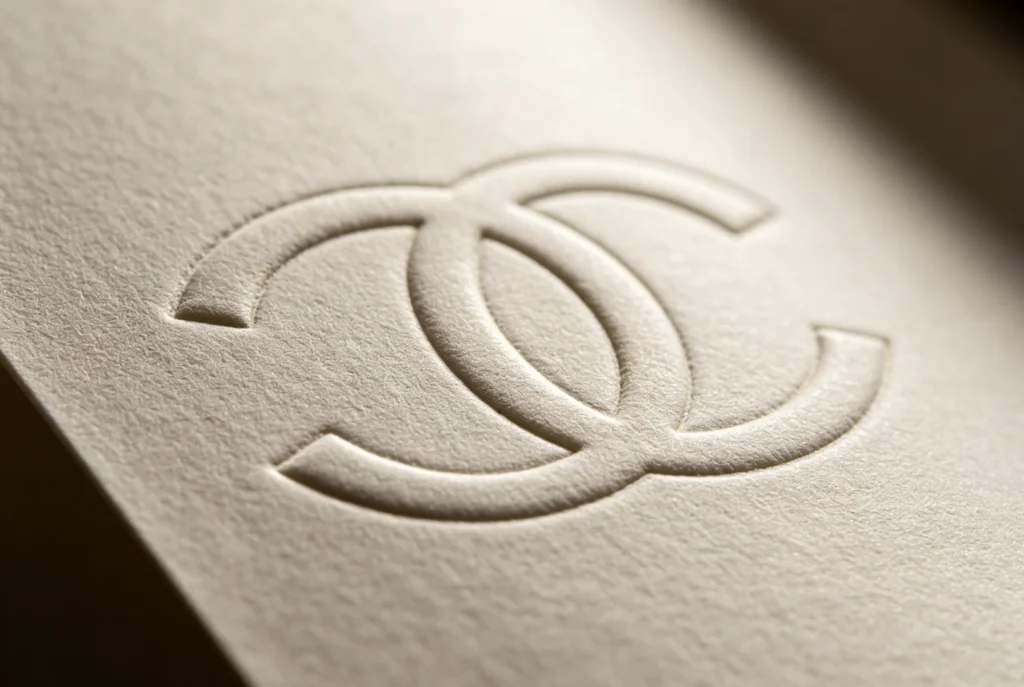
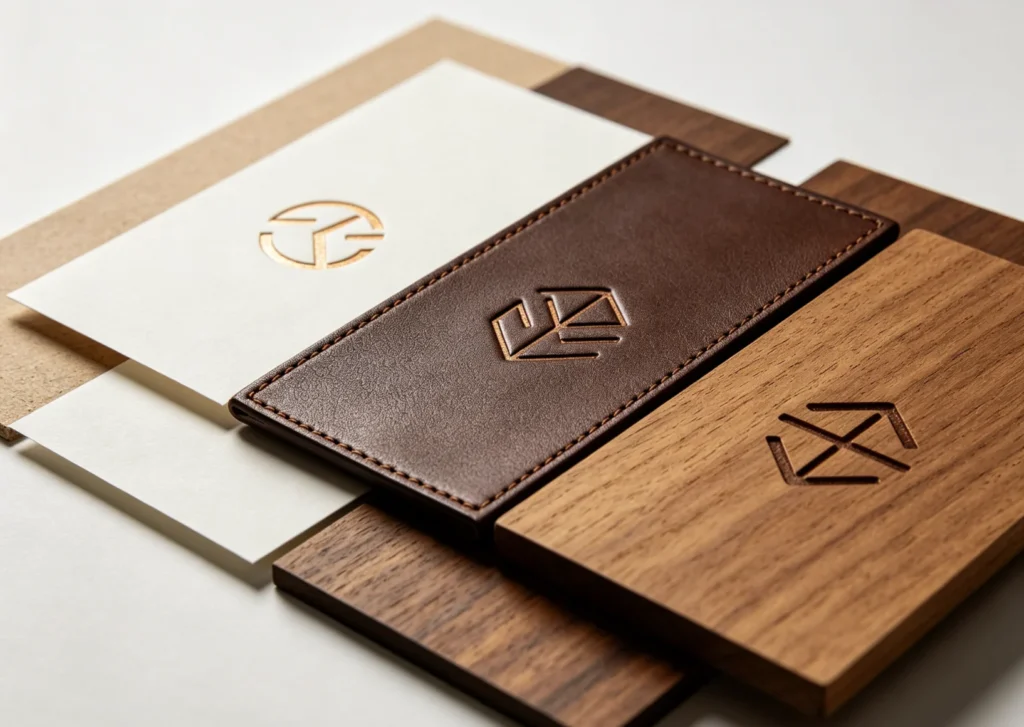
Tactile blind embossing creates elegant understated branding with zero ink or foil, perfect for minimalist luxury stationery and letterheads.
What Is Foil Stamping?
Foil stamping uses heat, pressure, dwell time and hot stamping foil to transfer a metallic or colored layer onto the material surface. The die is usually brass or copper, and the machine heats the die before pressing it onto the foil and material.
This is the process used for gold logos on leather goods, metallic book cover titles, premium packaging, certificates, paper cards, notebooks and invitations.
Foil stamping is more visual than blind embossing because it adds color and shine. It is also more sensitive to process settings. Temperature, pressure, dwell time, foil type, die quality and material coating can all affect whether the transfer is clean.
Choose foil stamping when:
you want gold, silver, rose gold or colored foil
the logo needs to stand out visually
you are working with leather, PU leather, paper, book covers or packaging
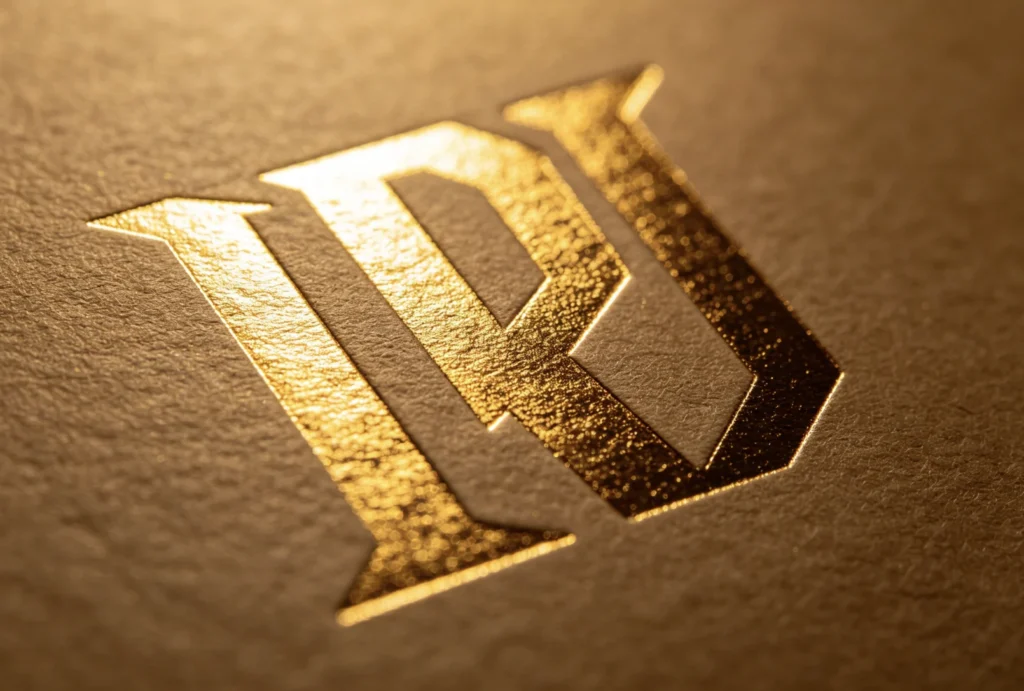
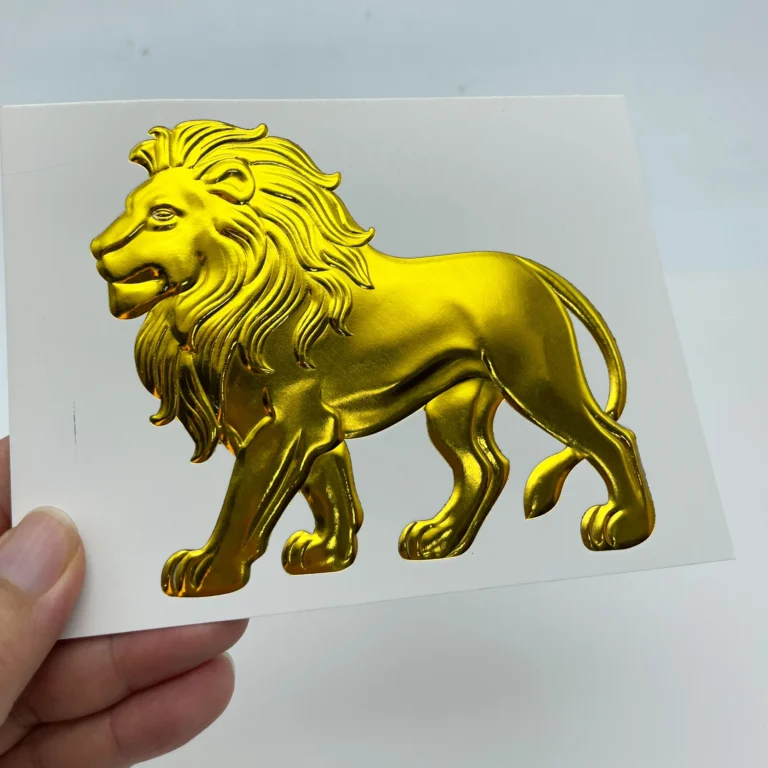
Vibrant reflective gold foil finish from our solid brass hot stamping dies elevates luxury packaging, invitations and business cards instantly.
What Is Heat Branding?
Heat branding uses a heated metal stamp to create a mark directly on the material. Unlike foil stamping, it does not need foil. The heated die contacts the surface and creates a darkened, burned or heat-marked logo.
This method is common for leather, wood, cork, handmade goods, packaging tags and rustic brand marks. It is also useful when the customer wants a mark that looks more natural than metallic foil.
Heat branding is usually less suitable for delicate coated paper or materials that melt easily. It works best when the material reacts well to heat and can hold a dark mark without burning too deeply.
Choose heat branding when:
you want a natural burned logo
you do not want metallic foil
the material is leather, wood, cork or similar
you want a permanent mark with strong texture
the brand style is handmade, rustic or craft-focused
the product may face rubbing, handling or outdoor-style use
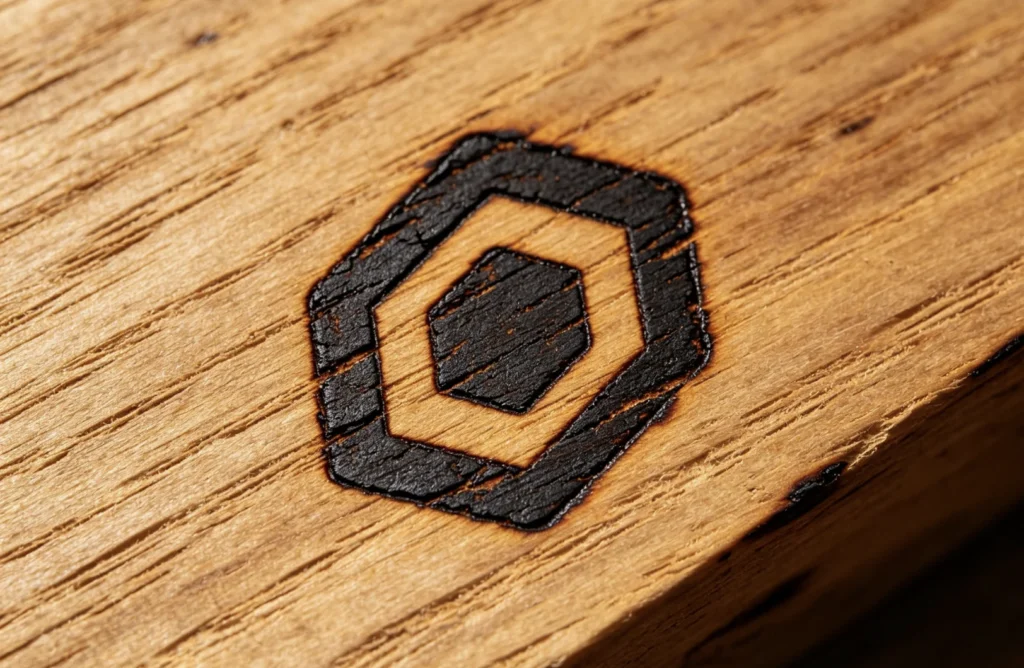
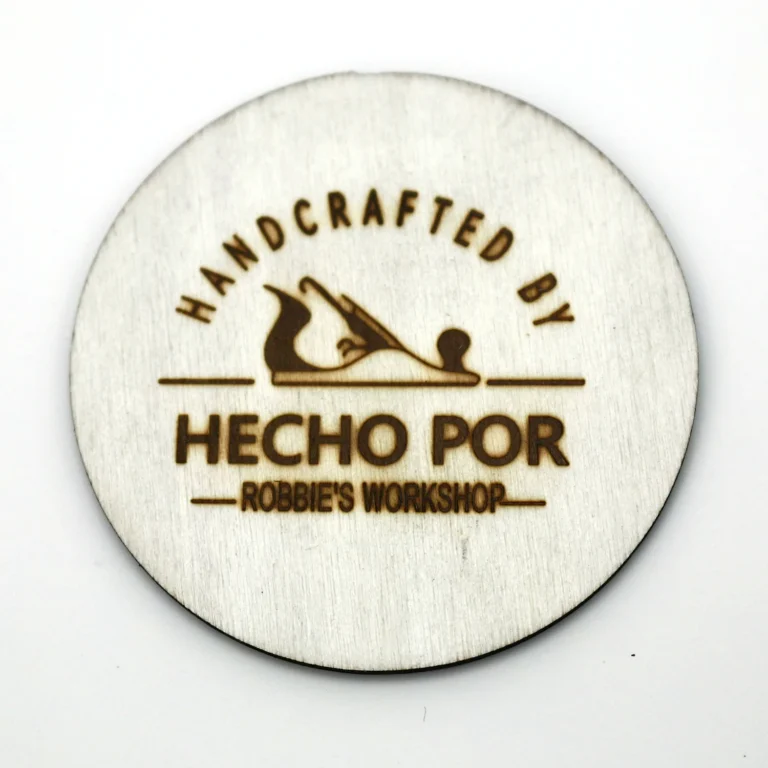
0.01mm precision CNC engraved brass branding irons deliver sharp, clean burn lines without fuzzy edges on all hardwood surfaces.
Embossing vs Foil Stamping on Paper
Paper is the easiest place to see the difference between embossing and foil stamping.
Embossing changes the shape of the paper. It looks elegant, soft and quiet. It is good for envelope flaps, certificates, blind logos, wedding stationery and premium business cards.
Foil stamping adds metallic color to the paper. It looks brighter and more decorative. It is good for gold titles, invitation names, luxury packaging logos and premium printed products.
If you want a subtle official seal, choose embossing. If you want a visible luxury highlight, choose foil stamping. If you want both texture and metallic color, consider 3D embossed foil stamping with a matched relief die.
Leather behaves differently from paper because every leather surface has its own coating, texture and heat tolerance.
Blind pressing or debossing on leather creates a clean sunken mark without foil. It can look more understated and may wear more naturally over time because there is no metallic layer on top.
Foil stamping on leather adds gold, silver or colored foil. It looks more eye-catching, but the foil transfer depends heavily on leather coating, temperature, pressure, dwell time and foil compatibility.
For many leather goods, the practical choice is not “which one is better” but “which effect matches the product?”
Choose blind debossing for quiet luxury, minimal branding and high-touch leather items. Choose foil stamping when the customer wants a bright logo, name, monogram or decorative metallic effect.
Foil Stamping vs Heat Branding on Leather and Wood
Foil stamping and heat branding both use heat, but they create very different results.
Foil stamping transfers a decorative layer onto the surface. It is best when the customer wants metallic color and a clean luxury look.
Heat branding changes the material surface itself. It is best when the customer wants a burned, natural or permanent-looking mark.
On leather, foil stamping is usually chosen for wallets, notebook covers, packaging labels, gift products and personalized names. Heat branding is often chosen for rustic leather goods, wooden boxes, cork, handmade products and brand marks where a dark logo is acceptable.
On wood, foil stamping is usually less common than heat branding. A heated branding iron can create a mark directly in the wood grain, while foil transfer on wood depends on coating and surface preparation.
Which Method Is Best for Book Covers?
Book covers can use several marking methods, depending on the cover material and target effect.
Foil stamping is common for book titles, notebook logos, journal covers and premium packaging. It gives a classic metallic title effect that many customers expect from luxury book covers.
Blind debossing can create a subtle pressed title without color. It is useful for modern minimal designs, cloth covers, leather covers and quiet branding.
3D embossed foil stamping combines raised texture with metallic foil. This effect is more advanced because the die structure, pressure and alignment must be controlled carefully.
Packaging often needs both visual impact and repeatable production.
Choose foil stamping for luxury boxes, paper bags, labels, cards and packaging logos where metallic color matters. A brass die and hot stamping machine can repeat the same logo across a batch.
Choose blind embossing or debossing when the packaging design should feel premium but not shiny. This is common for minimalist packaging and high-end paper cards.
Choose heat branding for wood packaging, cork tags, leather labels or handmade-style packaging where a burned mark fits the brand.
For large-area paper or packaging stamping, a pneumatic or hydraulic machine is usually more stable than a small handheld tool. The 618-M Pneumatic Hot Stamping Machine offers a larger working area, while the YTJ-5T Hydraulic Hot Stamping Press is suitable for stronger pressure and 3D embossing projects.
How to Choose the Right Method
Use this simple decision path before ordering a machine or die.
1. Do you need metallic color?
If yes, choose foil stamping. If no, choose embossing, debossing or heat branding.
2. Is the material paper or envelope stock?
For small paper seals, choose a steel hand embosser. For metallic paper logos or batch production, choose a hot stamping machine.
3. Is the material leather or PU leather?
For a quiet pressed mark, choose blind debossing. For a gold or silver logo, choose foil stamping. For a burned mark, choose heat branding.
4. Is the material wood or cork?
Choose heat branding first. Foil stamping may require special coating and testing.
For one-off personal paper seals, a handheld embosser is simple. For repeated factory-level logos, a machine and custom die are usually more consistent.
Artwork Rules for Embossing, Foil Stamping and Branding
No marking method can fix poor artwork. The die can only reproduce what the file gives it.
For best results, send vector artwork such as AI, vector PDF, SVG or EPS. Text should be outlined. Lines should be clean, and the final size should be confirmed before engraving.
Avoid these artwork problems:
sehr dünne Linien
tiny text
crowded spacing
low-resolution screenshots
gradients or shadows
overly complex textures
large solid areas without testing
If your logo is detailed, Zhengfei can review the artwork and recommend whether it is better for steel embossing, brass foil stamping, 3D relief embossing or heat branding.
Mistake 1: Choosing foil stamping only because it looks expensive
Gold foil is attractive, but it is not always the best method. On some leather goods, blind debossing may look cleaner and more durable. On some paper designs, embossing may feel more elegant than metallic foil.
Mistake 2: Using a handheld embosser for materials that are too thick
Handheld embossers are practical for paper, envelopes and cards, but very thick cardstock, coated packaging, leather or hard materials may not emboss completely. Always test the actual material.
Mistake 3: Making the logo too small
Tiny letters and tight decorative lines may look fine on screen but disappear after stamping. The smaller the die, the more important spacing becomes.
Mistake 4: Ignoring pressure and levelness
Foil stamping, blind debossing and branding all need even contact. If the die is not level, one side of the logo may appear darker, deeper or cleaner than the other side.
Mistake 5: Using one setting for every material
Paper, PU leather, genuine leather, cloth covers, wood and cork all respond differently. Test the material before production and record the best temperature, pressure and dwell time.
One custom brass mold factory supplies dies for emboss, foil stamping & wood heat branding, free custom logo design service included.
Häufig gestellte Fragen
Is embossing the same as foil stamping?
No. Embossing uses pressure to create a raised or pressed texture without color. Foil stamping uses heat, pressure and foil to transfer metallic or colored foil onto the material. Some premium projects combine both methods to create raised foil effects.
Is blind embossing better than foil stamping?
Blind embossing is better when you want a subtle, colorless and elegant texture. Foil stamping is better when you want a visible metallic logo or decorative highlight. The better choice depends on material, design style, production quantity and the customer’s desired look.
Can I use a paper embosser on leather?
A paper embosser is mainly designed for paper, envelopes, business cards and certificates. Leather usually needs a stronger press, a suitable die and controlled heat or pressure. For leather, a hot stamping machine or custom branding iron is usually more suitable.
Which method is most durable on leather?
Blind debossing and heat branding can be very durable because they change the leather surface itself. Foil stamping can also work well, but the foil layer depends on leather coating, foil compatibility, heat, pressure and wear conditions.
Which method is best for wedding invitations?
For subtle texture, choose embossing. For shiny gold or silver names, choose foil stamping. For a premium raised metallic effect, use embossed foil stamping. For envelopes and seals, a handheld custom steel embosser can be a practical small-batch option.
Do I need a custom die for embossing or foil stamping?
Yes, if you want a custom logo, monogram, seal or fixed design. Paper embossers use matched steel dies, while hot foil stamping usually uses brass or copper dies. The die must match the artwork size, material and desired effect.
What file format should I send for a custom die?
Vector files such as AI, vector PDF, SVG or EPS are best. Text should be outlined, and the design should be black-and-white line artwork. If you only have a PNG or JPG, send it for review before production.
Abschließende Empfehlung
When comparing embossing vs foil stamping vs heat branding, start with the final effect.
Use embossing for clean paper texture. Use foil stamping for metallic logos and luxury decoration. Use heat branding for burned marks on leather, wood and cork. Use 3D embossed foil when you need both raised texture and metallic color.
If you are not sure which process fits your material, send your artwork, material photo, logo size and target effect to ZHENGFEI. Our team can recommend the right steel embosser, custom brass die, branding iron or hot stamping machine for your project.
Teilen Sie Ihre Liebe
ZHENGFEI Technical Team
ZHENGFEI Technical Team shares practical hot stamping knowledge from real production tests, including brass die design, foil stamping parameters, machine setup, leather, paper, acrylic, plastic, wood and packaging applications.





 English
 Japanese
 Spanish
 French
 Korean
 German
 Russian